Introduction
Print your own fabric design and bring your creative ideas to life with this comprehensive DIY guide. Whether you want to make personalized clothing, unique home décor, or small craft projects, printing your own fabric allows you to transform your artwork into tangible textiles.
With the right tools and guidance, anyone can print artwork on fabric or print a pattern on fabric from the comfort of their home. In this guide, we’ll take you step-by-step from design to finished fabric.
Learn more about our brand journey here, or check out other DIY projects on our blog.
1. Materials and Tools You’ll Need
Before starting, gather the right materials and tools to ensure a smooth printing process:
Fabric Options
- Cotton – soft and versatile, ideal for inkjet printing
- Silk – perfect for luxury projects
- Linen & Ramie – natural fibers, great for eco-friendly projects
- Polyester – ideal for sublimation printing
Explore all our fabric options.
Printing Tools
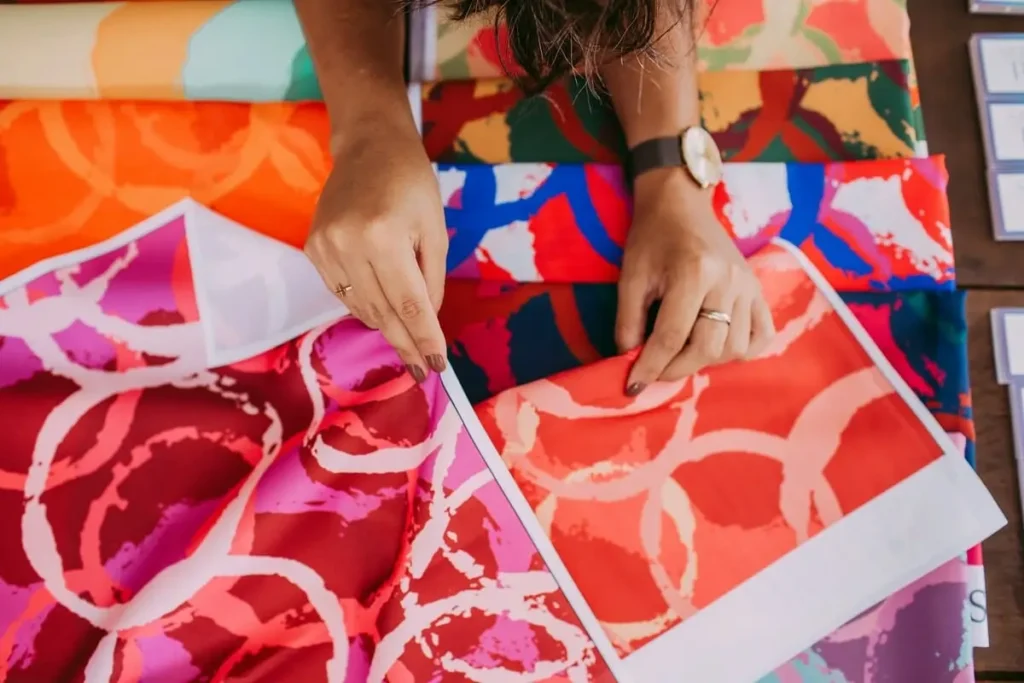
- Inkjet Printer – suitable for small DIY projects
- Heat Press Machine – for transferring designs from transfer paper
- Digital Fabric Printer – professional results, ideal for larger projects
- Silk Screen Kit – for hand-printing patterns
Ink & Supplies
- Dye-based inks – vibrant colors, better for natural fibers
- Pigment-based inks – more durable, good for synthetic fabrics
- Transfer paper – essential for inkjet printing
- Heat-resistant gloves, rulers, and masking tape
2. Preparing Your Design
The key to a successful print is a well-prepared design. Here’s how to get started:
Design Software
- Adobe Illustrator & Photoshop – professional tools
- Canva – beginner-friendly
- Procreate – excellent for hand-drawn patterns
File Settings
- Resolution: 300 DPI
- Color mode: RGB for digital, CMYK for professional printers
- File format: PNG, JPEG, or PDF
Tips for Printing
- Mirror your design for heat transfer printing
- Test small swatches before printing large patterns
Start designing your own fabric.
3. Step-by-Step Guide to Print Your Own Fabric Design
Choose the method that suits your project:
Method 1: Inkjet Transfer
- Print your design onto transfer paper
- Preheat the fabric with an iron
- Place the transfer paper on fabric
- Press firmly with a heat press or iron
- Peel the paper and let the fabric cool
Method 2: Direct Digital Printing
- Ideal for cotton, silk, and polyester fabrics
- High-resolution digital printers apply ink directly to the fabric
- Works well for complex patterns and full-color designs
Method 3: Hand Printing (Silk Screen)
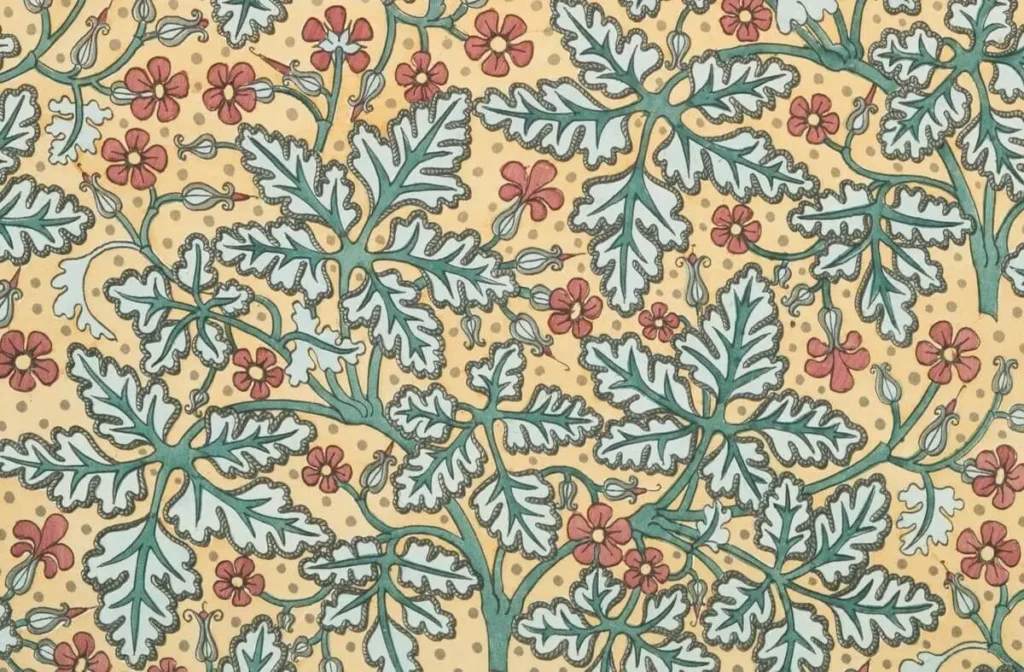
- Apply ink manually through a screen stencil
- Great for small-batch printing
- Eco-friendly and artistic results
4. Post-Printing Tips
To make your prints last longer:
- Heat-set the ink to ensure durability
- Wash carefully: cold water, mild detergent, gentle cycle
- Avoid harsh chemicals or bleach
- Troubleshoot common issues like smudging or fading
5. Recommended Equipment and Resources
For reliable results, consider these resources:
- Printers: Epson SureColor, Brother GTX, Sawgrass Virtuoso
- Inks: Sublimation inks, pigment inks, dye inks
- External Resources:
- TextileArtist.org – inspiration and professional tips
6. Conclusion
Printing your own fabric design is both rewarding and creative. With the right tools, techniques, and a bit of patience, you can turn your artwork into beautiful, personalized fabrics.
Try your design today and explore more ideas on our design-your-fabric page or check our blog for more DIY tips.
📚 Frequently Asked Questions (FAQs)
Q1: How can I print designs on cotton fabric?
A: Cotton works best with inkjet transfer or direct digital printing. Always prewash the fabric and test a small section first.
Q2: What is the best ink for DIY fabric printing?
A: Dye-based inks are great for natural fibers, while pigment inks are more durable for synthetic fabrics.
Q3: Can I print a full pattern on silk?
A: Yes, direct digital printing and inkjet transfer work well for silk, but handle with care to avoid smudging.
Q4: What is the difference between hand printing and digital printing?
A: Hand printing is manual, small-batch, and artistic. Digital printing is precise, fast, and suitable for complex designs.
Q5: How can I print my own fabric design at home?
A: To print your own fabric design, choose the right printer and ink, prepare your design, and follow the step-by-step guide above.