Introduction
The textile industry is undergoing a significant transformation as environmental concerns drive demand for eco-friendly solutions. Among these innovations, sustainable fabric printing stands out as a key method to reduce waste, save water, and minimize chemical usage. In this article, we explore what is sustainable fabric printing, the role of digital printing, and practical strategies to lower costs, making eco-conscious production accessible for businesses of all sizes.
Learn more about our sustainability initiatives on About Us.
What is Sustainable Fabric Printing?
Definition
Sustainable fabric printing refers to printing methods that reduce environmental impact compared to traditional techniques. It focuses on conserving water, reducing chemical waste, and utilizing energy-efficient processes to create beautiful fabrics without harming the planet. Unlike conventional screen printing or dyeing, sustainable printing minimizes pollution and supports a circular textile economy.
If you’re wondering “what is sustainable fabric printing”, it encompasses methods like digital printing, waterless dyeing, and the use of eco-friendly inks.
Environmental Advantages
- Reduced Water Usage: Traditional dyeing consumes thousands of liters per kilogram of fabric; sustainable printing can cut this by up to 90%.
- Lower Chemical Consumption: Water-based and plant-based inks replace harmful synthetic dyes.
- Minimized Carbon Footprint: Energy-efficient digital printing reduces emissions.
- Certifications: Look for OEKO-TEX®, GOTS, and other eco-labels for verified sustainable fabrics.
Examples in the Industry
Many fashion brands and textile manufacturers are adopting sustainable printing to meet consumer demand. For instance:
- Patagonia focuses on recycled fabrics and low-impact inks.
- Small design studios increasingly rely on digital printing to produce eco-conscious collections.
- Sustainable Apparel Coalition – benchmark for sustainable practices.
- Textile Exchange – insights on sustainable fibers and materials.
Explore our eco-friendly fabric options at Our Fabric.
Digital Printing: Driving Sustainability in Textiles
Overview of Digital Fabric Printing
Digital printing is a method of printing designs directly onto fabric using inkjet technology. Unlike traditional screen printing, it allows for precise patterns and smaller production runs without excessive waste.
Sustainability Benefits
- Efficient Ink Usage: Only the required amount is applied, minimizing waste.
- Water-Based Inks: Eco-friendlier than chemical-heavy alternatives.
- Faster Production: Reduces energy consumption and allows for on-demand printing.
Is Digital Printing Sustainable?
Yes, digital printing contributes to sustainability when used responsibly:
- Studies show up to 70% reduction in water usage compared to conventional dyeing.
- Using certified eco-friendly inks and energy-efficient machines enhances sustainability.
Start your sustainable design journey at Design Your Fabric.
Reducing Costs in Sustainable Fabric Printing
Cost Challenges
Digital printing can have higher initial equipment costs, and premium inks may be expensive. Efficient management is essential to make production cost-effective.
Practical Tips to Lower Costs
- Optimize Design Placement: Reduce ink usage by smartly arranging patterns.
- Batch Printing: Larger runs save per-unit costs.
- Choose Compatible Fabrics: Certain fabrics accept digital inks better, reducing wastage.
- Partner with Sustainable Print Providers: Collaboration often reduces overhead.
Tips help answer the question “digital printing on fabric cost” efficiently for businesses and hobbyists.
Learn more about cost optimization strategies in our Blog.
Future Outlook for Sustainable Fabric Printing
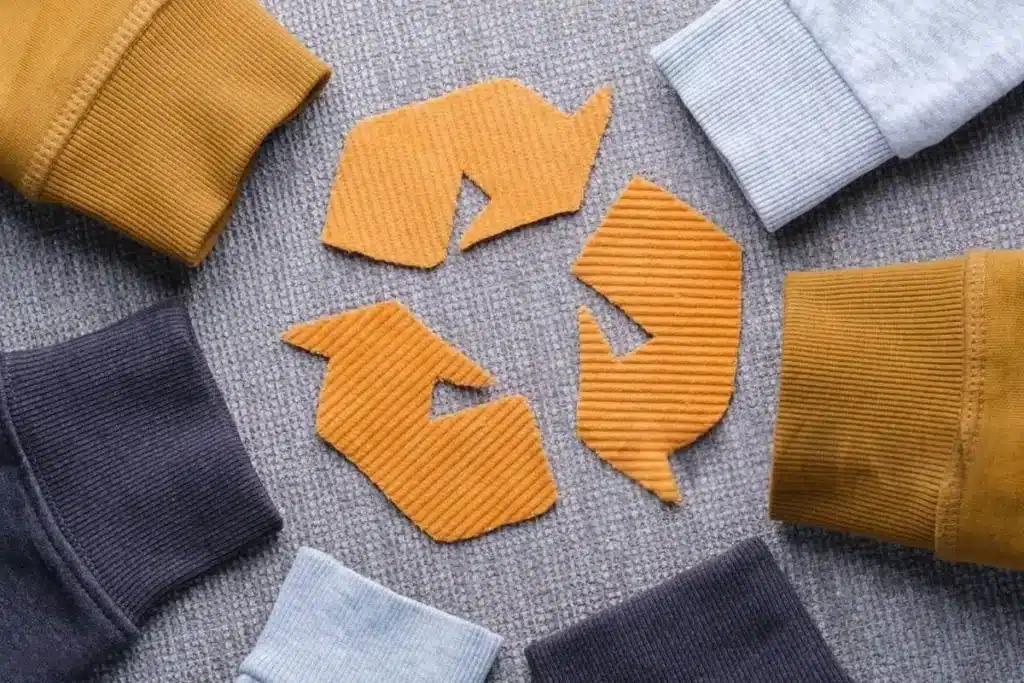
The textile industry is embracing a circular economy:
- Innovative Inks: Biodegradable and plant-based inks are gaining popularity.
- Recyclable Fabrics: Fully recyclable textile lines reduce landfill waste.
- Consumer Demand: Eco-conscious shoppers increasingly prioritize sustainable production.
Conclusion
Sustainable fabric printing is revolutionizing the textile industry by combining eco-friendly practices with modern digital technology. From reducing water usage and chemical waste to optimizing production costs, it offers a viable solution for designers, manufacturers, and conscious consumers.
📚 Frequently Asked Questions (FAQs)
Q1: What is sustainable fabric printing?
A: It’s a printing method that reduces environmental impact by using eco-friendly inks, minimizing water and energy consumption, and producing less waste.
Q2: Is digital printing sustainable?
A: Yes. Digital printing is more sustainable than traditional screen printing due to precise ink application, water-based inks, and energy efficiency.
Q3: How can I reduce digital printing costs on fabric?
A: Optimize design placement, use batch printing, choose suitable fabrics, and partner with sustainable printing providers.