Introduction
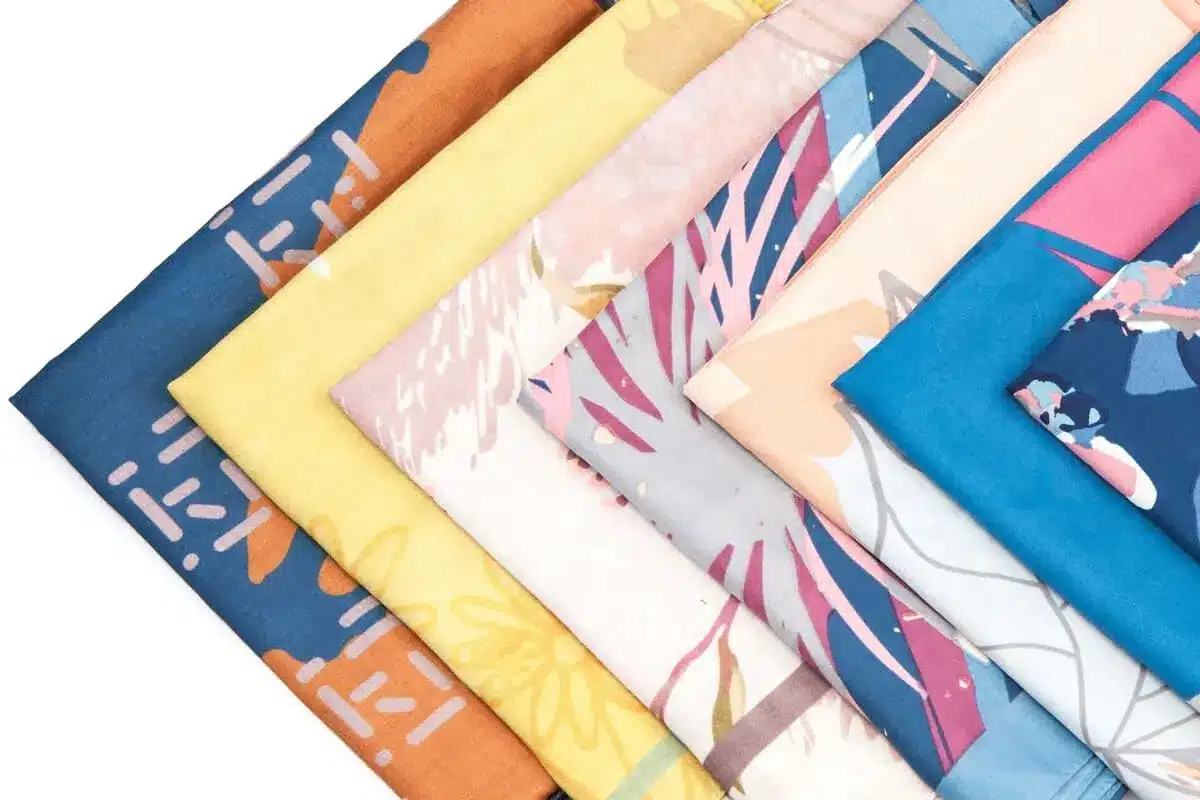
Fabric printing is a craft that blends creativity with technology, enabling designers to bring unique and custom designs to life on various fabric types. Whether you’re printing on cotton, silk, or any other material, the printing method you choose is crucial to achieving high-quality results. In this blog, we’ll explore the art of printing on fabric, with a focus on different fabric types, including cotton, silk, and more. Learn how to select the right printing method for each fabric and discover essential tips to ensure successful custom fabric printing.
What is Fabric Printing?
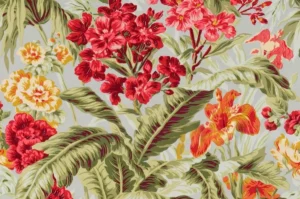
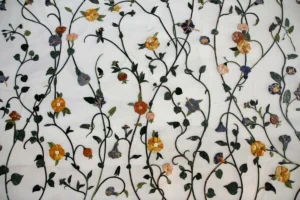
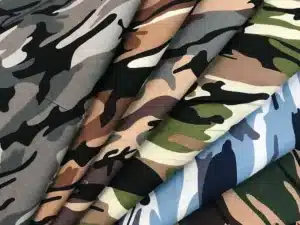
Fabric printing involves transferring a design or pattern onto fabric using various techniques. This process is commonly used in the fashion industry, home décor, and even promotional items. Printing on fabric allows for endless creative possibilities, from vibrant custom T-shirts to intricate textile art. The quality of the print, the durability, and the appearance of the design depend on both the printing technique and the fabric type.
Different Fabric Types and Their Printing Techniques
1. Printing on Cotton
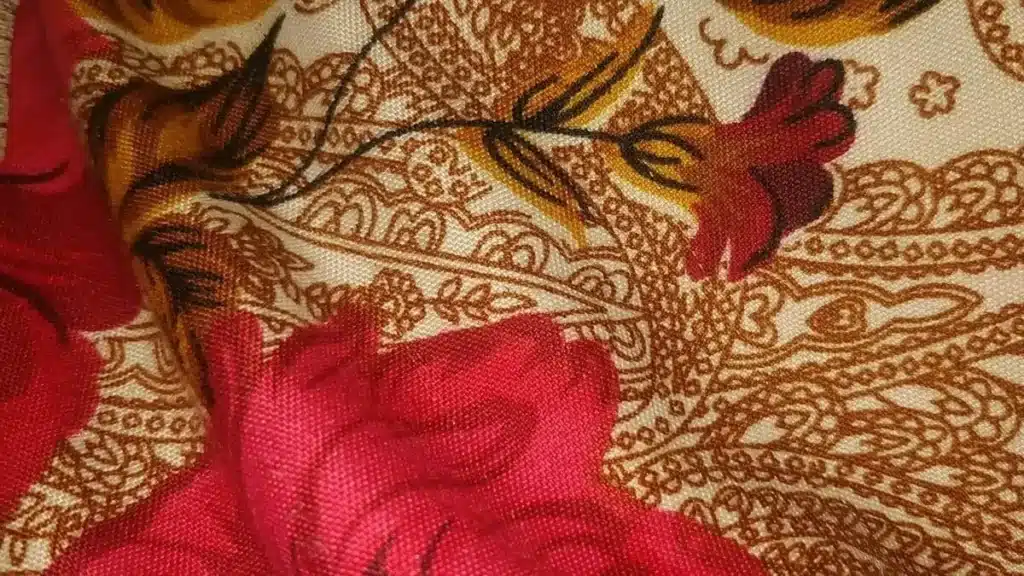
Cotton is one of the most popular fabrics for printing due to its absorbent nature and affordability. Printing on cotton fabric is versatile, allowing for a range of techniques such as screen printing, digital printing, and heat transfer printing.
- Screen Printing: Ideal for larger runs and bold designs. It works well on cotton due to its ability to hold color effectively.
- Digital Printing: This method is perfect for printing complex, colorful designs on cotton. It’s ideal for smaller batches and custom orders.
- Heat Transfer Printing: A great option for custom designs, where heat is used to transfer a printed design onto the fabric.
Cotton is durable and soft, making it suitable for various applications, from clothing to bedding.
2. Printing on Silk
Silk is a delicate fabric, often requiring more careful handling compared to cotton. Printing on silk presents unique challenges due to its smooth, shiny surface. Popular methods for printing on silk include dye sublimation, screen printing, and digital printing.
- Dye Sublimation: This is one of the best methods for printing on silk, as it allows the dye to fuse with the fabric, creating vibrant colors that won’t fade or crack.
- Screen Printing: Though challenging due to silk’s delicate nature, screen printing can still produce stunning designs, especially for larger runs.
- Digital Printing: Digital printing works well for silk, offering precise designs with an excellent finish, making it ideal for detailed artwork.
When printing on silk, it’s essential to use specialized inks to avoid damaging the fabric’s texture.
3. Printing on Other Fabrics (Linen, Polyester, and More)
In addition to cotton and silk, there are various other fabrics that can be printed on. The right printing method depends on the fabric’s properties.
- Linen: This fabric has a rougher texture, which can affect the print’s sharpness. The best method for linen is screen printing or digital printing, which can handle the fabric’s coarser texture.
- Polyester: Polyester is often printed using dye sublimation, a process where dye bonds with the fabric, resulting in vibrant, long-lasting prints. It’s ideal for athletic wear and custom-designed promotional products.
Each fabric type has unique properties that require different printing techniques, making it essential to understand these before starting your project.
Choosing the Right Printing Method for Different Fabrics
Choosing the right printing technique for each fabric type is key to achieving the best results. Here are some factors to consider when deciding on a printing method:
- Fabric Texture: Softer fabrics like cotton may work well with more ink-heavy methods, while delicate fabrics like silk need lighter, more precise techniques.
- Design Complexity: Complex designs with gradients or multiple colors benefit from digital printing, while simple designs with solid colors may do well with screen printing.
- Durability: Consider how the printed fabric will be used. For high-durability applications, such as outdoor fabrics, methods like screen printing or heat transfer are preferred.
Each printing method offers its own advantages, and selecting the right one ensures your design will be vibrant, long-lasting, and visually appealing.
Common Challenges in Custom Fabric Printing
Custom fabric printing presents a few challenges, but understanding these can help you navigate the process effectively. Common issues include:
- Ink Absorption: Some fabrics, such as polyester, may not absorb ink as well as others, resulting in less vivid colors.
- Fading: Without the right inks and techniques, printed designs can fade over time, especially with fabrics exposed to sunlight or frequent washing.
- Fabric Shrinkage: Certain fabrics, especially natural fibers like cotton and linen, may shrink after printing, which can distort the design.
To overcome these challenges, it’s important to select the correct ink, printing method, and fabric, and always test your designs before mass production.
Tips for Successful Custom Fabric Printing
To achieve the best results when printing on different fabrics, here are some expert tips:
- Choose High-Quality Fabrics: The quality of the fabric plays a significant role in the final print. Opt for high-quality materials to ensure that your prints come out vibrant and last longer.
- Use the Right Inks: Make sure to choose inks that are compatible with the fabric you’re printing on. For example, disperse dyes are excellent for polyester, while reactive dyes are ideal for cotton.
- Pre-Treat Fabrics When Necessary: Some fabrics, such as silk, may require pre-treatment to ensure the ink adheres properly and lasts longer.
Conclusion
Printing on different fabric types, from cotton to silk, offers endless possibilities for custom designs. By understanding the unique characteristics of each fabric and selecting the right printing technique, you can create high-quality, vibrant prints that stand the test of time. Whether you’re designing custom apparel, home décor, or promotional products, mastering the art of fabric printing allows you to bring your creative ideas to life.
For more information on fabric printing or to start your custom printing project, check out our Design Your Fabric page or browse our wide range of fabrics on our Fabric.
📚 Frequently Asked Questions (FAQs)
Q1: What is fabric printing?
A1: Fabric printing is the process of applying designs or patterns onto various fabric types using different techniques such as screen printing, digital printing, and dye sublimation. It’s commonly used for custom apparel, home décor, and promotional products.
Q2: What is the best printing method for cotton?
A2: Screen printing and digital printing are the most popular methods for printing on cotton. Screen printing works well for bold designs and larger batches, while digital printing is ideal for intricate designs with multiple colors.
Q3: Can I print on silk?
A3: Yes, you can print on silk. Dye sublimation is considered one of the best methods for printing on silk as it creates vibrant, long-lasting prints without damaging the fabric. Screen printing and digital printing can also be used but require special care.
Q4: How do I choose the right fabric printing method?
A4: The choice of fabric printing method depends on factors like fabric type, design complexity, and durability. For cotton, screen printing or digital printing works well, while silk benefits from dye sublimation. Always choose the method based on the fabric’s texture and the design’s requirements.