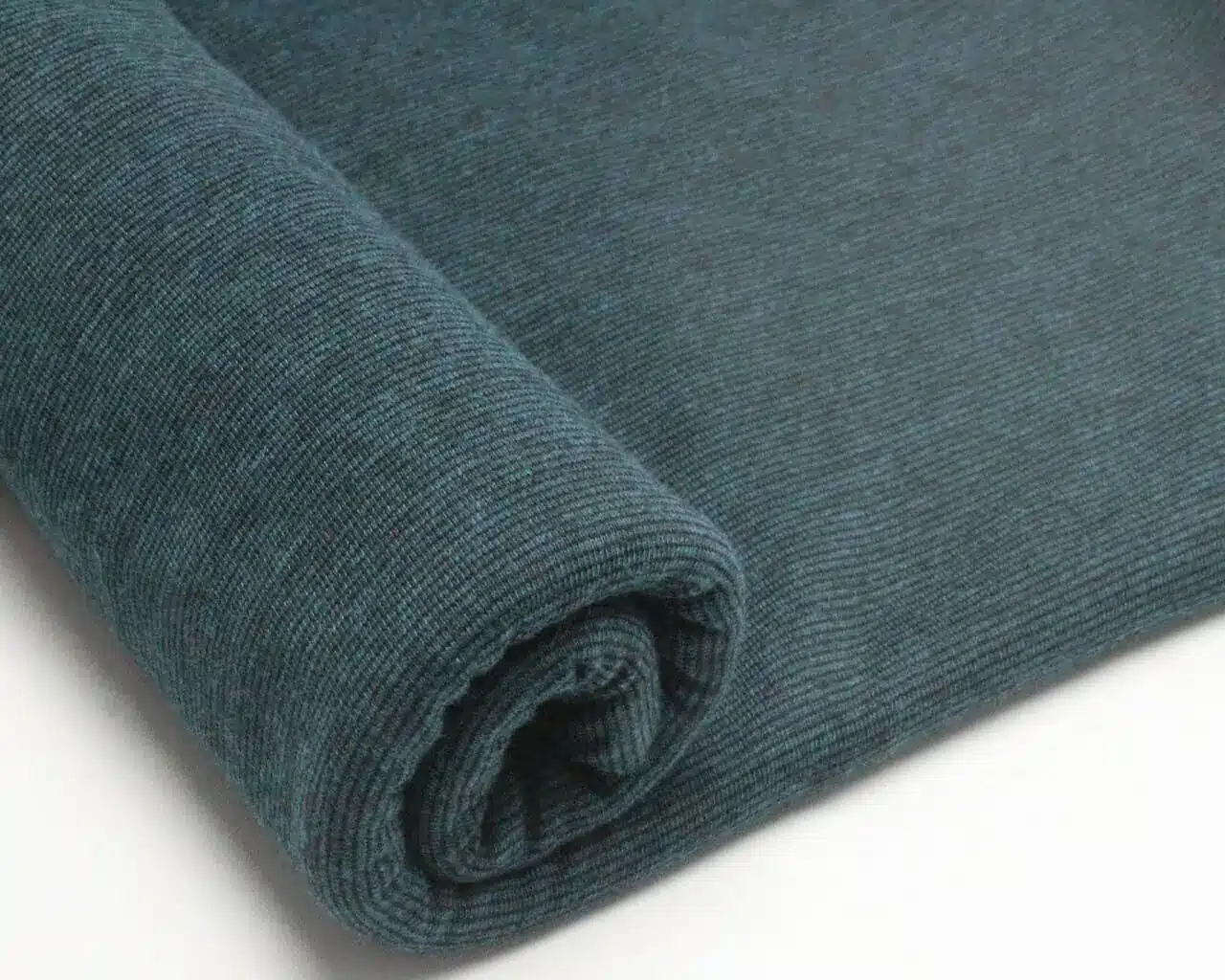
Lycra fabric, also known as Spandex or Elastane, is a popular synthetic material known for its exceptional stretch and elasticity. It has gained immense popularity in fashion, sportswear, and costume design due to its unique characteristics and versatile uses. In this blog, we will explore what Lycra fabric is, its key features, common uses, advantages, and how to take care of it. We will also delve into its future in fashion and answer some of the most frequently asked questions about this remarkable material.
What is Lycra Fabric?
Lycra fabric is a type of synthetic fiber made from a polymer called polyurethane. Known for its exceptional elasticity, Lycra fabric can stretch up to five times its original length. It was first developed in the 1950s as a more durable and stretchable alternative to rubber, and it has since become a dominant material in the textile industry.
Often referred to as Spandex or Elastane, Lycra is a trademarked name of a fiber produced by the global chemical company Invista. Its elasticity, combined with softness and durability, makes it an ideal choice for a wide range of applications.
Key Features of Lycra Fabric
Lycra fabric has several defining features that make it stand out from other materials:
Exceptional Stretch: Lycra’s ability to stretch up to 5 times its original size allows it to provide a snug and flexible fit. This makes it ideal for sportswear, performance costumes, and swimwear.
Comfortable Fit: Lycra conforms to the body’s shape, offering a body-hugging fit that moves with the wearer, providing comfort and flexibility.
Durability: Despite its stretch, Lycra is incredibly strong and durable. It can withstand heavy use and retains its shape, even after multiple wears and washes.
Moisture-Wicking: Lycra has moisture-wicking properties, making it perfect for activewear and swimwear.
Color Retention: Lycra retains color better than many other fabrics, even after multiple washes, ensuring that clothes made from it look vibrant for longer.
Common Uses of Lycra Fabric
Lycra’s unique characteristics make it suitable for a variety of applications across different industries:
1. Sportswear

Lycra is widely used in sportswear because of its ability to stretch and provide a tight fit without restricting movement. From yoga pants and leggings to compression garments and running shorts, Lycra helps athletes stay comfortable during intense activities. The fabric’s breathability and moisture-wicking properties also help keep the wearer dry and comfortable.
2. Costumes and Performance Wear
Lycra is a popular choice for costumes, dancewear, and performance attire. Its form-fitting nature makes it ideal for creating costumes that need to allow for ease of movement while maintaining their shape. Lycra is often used in superhero costumes, gymnastics leotards, and stage performances due to its vibrant colors and stretchability.
3. Swimwear
Due to its stretch, durability, and water resistance, Lycra is commonly used in swimwear, such as swimsuits and bikini tops. The fabric’s ability to stretch makes it perfect for creating flattering swimwear that conforms to the body, while its moisture-wicking properties ensure comfort both in and out of the water.
4. Gym Wear
Lycra is ideal for gym wear because of its stretch and comfort. Whether it’s used in form-fitting workout leggings, sports bras, or tank tops, Lycra helps enhance performance and provides unrestricted movement during exercises.
Advantages and Disadvantages of Lycra Fabric
Advantages:
Stretchability: Lycra’s most notable advantage is its stretch. It allows garments to fit more snugly and move with the body.
Comfort: Lycra garments are comfortable, as the fabric is soft against the skin and provides a body-conforming fit.
Durability: Lycra is long-lasting and retains its elasticity even after numerous wears and washes.
Versatility: Lycra is versatile and used in a wide range of garments, from everyday wear to specialized athletic gear and costumes.
Disadvantages:
Heat Sensitivity: Lycra can be sensitive to high temperatures, and excessive heat may cause the fabric to lose its elasticity over time.
Color Fading: While Lycra retains color well, prolonged exposure to sunlight or chlorine can cause it to fade.
Not Eco-Friendly: As a synthetic material, Lycra is not biodegradable, which raises concerns about its environmental impact.
How to Care for Lycra Fabric
Proper care can extend the life of Lycra garments and maintain their shape and color. Here are a few tips for taking care of Lycra fabric:
Washing: Wash Lycra items in cold water to prevent the fabric from losing its elasticity. Avoid using bleach, which can damage the fibers.
Drying: Air dry Lycra garments rather than using a dryer, as high heat can affect the fabric’s stretch and elasticity.
Storage: Store Lycra garments in a cool, dry place, away from direct sunlight to prevent fading. It’s best to fold them gently rather than hanging them to avoid stretching out the fabric.
The Future of Lycra in Fashion

The future of Lycra in fashion looks promising, as designers continue to push the boundaries of fabric technology. Lycra’s ability to stretch, combined with its moisture-wicking properties, makes it an excellent choice for activewear, athleisure, and even performance wear. Innovations in sustainability and eco-friendly fabric production are also opening new doors for Lycra, as more manufacturers seek to create Lycra blends with a lower environmental impact.
With more focus on incorporating sustainable materials into the textile industry, we can expect to see Lycra playing a key role in the creation of environmentally conscious fashion, combining high performance with eco-friendly designs.
Conclusion
Lycra fabric is a revolutionary material that has transformed the fashion, sportswear, and costume industries. Its incredible stretch, durability, and comfort have made it a favorite choice for both athletes and fashion enthusiasts. Whether you’re looking for high-performance workout wear, body-hugging costumes, or swimwear that moves with you, Lycra has a place in your wardrobe.
For more information on custom fabric printing, check out our Fabric Printing Prices or get in touch with us via our Contact Us page. Explore the full range of our fabrics on the Our Fabrics page or start designing your own fabric with our easy-to-use Design Your Fabric tool.
📚 Frequently Asked Questions (FAQs)
1. What is Lycra fabric?
Lycra, also known as Spandex or Elastane, is a synthetic fiber known for its exceptional stretch and elasticity. It is widely used in activewear, costumes, and swimwear due to its flexibility and comfort.
2. What are the main uses of Lycra fabric?
Lycra fabric is commonly used in sportswear, swimwear, costumes, and gym wear. Its stretchability and comfort make it ideal for performance and athletic activities.
3. How do I care for Lycra fabric?
To care for Lycra, wash it in cold water to preserve its elasticity and color. Avoid using bleach or high heat when drying, and air dry the fabric instead.
4. Is Lycra fabric eco-friendly?
Lycra is a synthetic material, which means it is not biodegradable. However, recent innovations are focusing on creating more sustainable versions of Lycra fabrics.
5. How long does Lycra fabric last?
Lycra fabric is durable and retains its stretch for a long time, even with regular use. Proper care, such as washing in cold water and avoiding excessive heat, will extend its lifespan.