Poly spandex material has become one of the most widely used stretch fabrics in modern apparel and custom textile printing. Known for its excellent elasticity, durability, and vibrant print results, this fabric is a go-to choice for activewear, fashion garments, and digitally printed designs.
In this guide, we explain what poly spandex material is, how its stretch and weight affect performance, and why it delivers outstanding print quality for custom fabric applications.
What Is Poly Spandex Material?
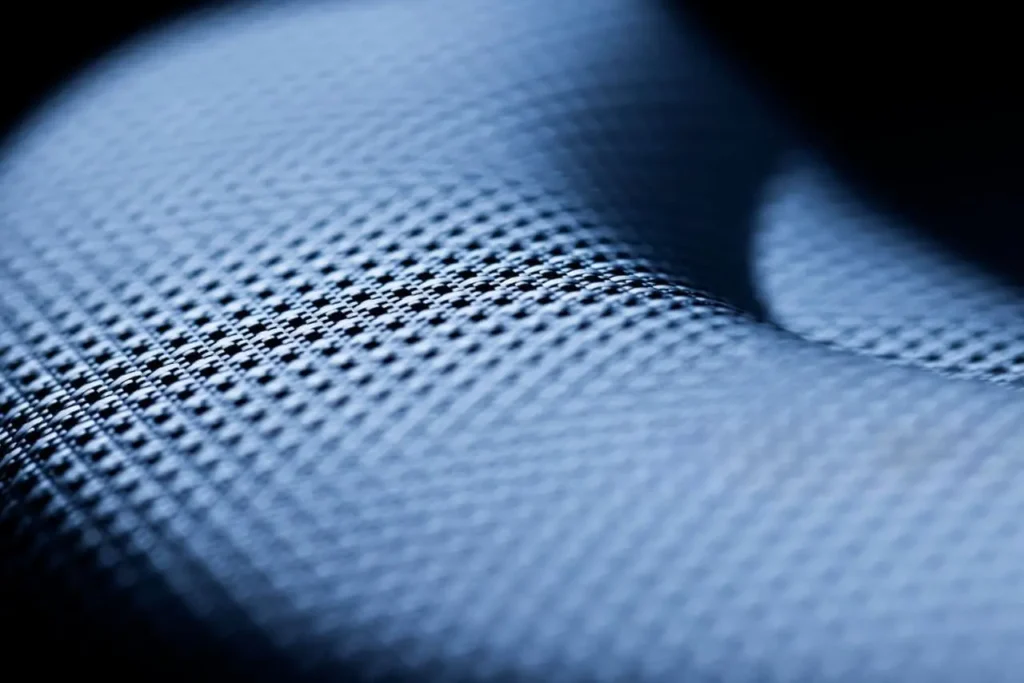
Poly spandex material is a blended fabric made primarily from polyester fibers combined with a small percentage of spandex (elastane). This combination creates a fabric that is strong, flexible, and resistant to wrinkles while maintaining excellent stretch and recovery.
Compared with single-fiber textiles, polyester and spandex material offers a balanced performance profile—durable enough for everyday wear and elastic enough for form-fitting garments. This is why poly spandex blend fabric is widely used in both fashion and functional textiles.
To explore available base fabrics suitable for printing, visit our fabric page.
Polyester and Spandex Fabric Composition Explained
Typical Polyester–Spandex Ratios
Most polyester and spandex fabric blends fall within these common ratios:
95% polyester / 5% spandex – light stretch, smooth surface
92% polyester / 8% spandex – balanced elasticity and structure
90% polyester / 10% spandex – high stretch and flexibility
Higher spandex content improves elasticity but may slightly affect print sharpness if not handled properly.
How Poly Spandex Blend Fabric Is Manufactured
Poly spandex material is most commonly produced using knitted structures, which enhance stretch and comfort. Knitted poly spandex blend fabric allows ink to penetrate evenly during printing, making it ideal for custom designs.
For a deeper look at synthetic fiber structures, Textile School provides a solid technical reference on polyester-based fabrics.
Poly Spandex Stretch Fabric Performance
One of the key advantages of poly spandex stretch fabric is its superior elasticity combined with shape retention.
2-Way Stretch vs 4-Way Stretch
2-way stretch: stretches in one direction, suitable for casual wear
4-way stretch: stretches both horizontally and vertically, ideal for sportswear, swimwear, and performance apparel
Recovery, Durability & Comfort
High-quality poly spandex material offers excellent recovery, meaning it returns to its original shape after stretching. This makes it comfortable for long-term wear while maintaining garment structure.
Learn more about our experience with performance fabrics on our about-us page.
Fabric Weight & GSM in Poly Spandex Material
Fabric weight plays a critical role in how poly spandex material performs and prints. Weight is typically measured in GSM (grams per square meter).
Common ranges include:
180–220 GSM – lightweight, breathable, ideal for summer wear
220–260 GSM – medium weight, versatile for most garments
260–320 GSM – heavier weight, enhanced opacity and structure
Heavier poly spandex fabrics generally produce better color saturation and reduced show-through in printed designs.
Poly Spandex Printing Quality & Methods
Best Printing Methods for Poly Spandex
The most effective printing method for poly spandex printing is dye sublimation. Because polyester fibers bond directly with sublimation inks, the result is:
Long-lasting color
Excellent wash resistance
No cracking or peeling
For industry insights into textile printing technologies, FESPA offers authoritative resources on modern fabric printing.
How Stretch Affects Print Sharpness
Stretch fabrics require proper design planning. Well-engineered poly spandex material minimizes distortion when stretched, ensuring printed patterns remain clear and consistent during wear.
If you’re ready to create your own designs, explore our design-your-fabric service.
Common Applications of Poly Spandex Material
Thanks to its versatility, poly spandex material is widely used across industries, including:
Activewear and sportswear
Swimwear and yoga apparel
Dancewear and stage costumes
Custom printed fashion fabrics
For more fabric insights and printing tips, browse our latest articles at blog.
Poly Spandex vs Other Stretch Fabrics
Compared with other stretch fabrics:
Poly spandex vs cotton spandex: poly spandex offers better color vibrancy and durability
Poly spandex vs nylon spandex: polyester blends provide superior print compatibility
According to Encyclopaedia Britannica, synthetic fibers like polyester dominate modern textile production due to their adaptability and performance.
How to Choose the Right Poly Spandex Fabric for Printing
When selecting poly spandex material for custom printing, consider:
Fabric weight based on garment type
Stretch level depending on fit requirements
Surface smoothness for detailed prints
Our fabric specialists can help match your design needs with the right material—see options at our-fabric.
Why Poly Spandex Material Is Ideal for Custom Fabric Printing
Poly spandex material combines elasticity, durability, and exceptional print quality, making it one of the most reliable choices for custom fabric printing.
With advanced printing technology and strict quality standards such as those outlined by AATCC, poly spandex fabrics consistently meet professional performance expectations.
📚 Frequently Asked Questions (FAQs)
1. What is poly spandex material?
Poly spandex material is a blended fabric made from polyester fibers combined with a small percentage of spandex. It offers durability, flexibility, and excellent stretch recovery, making it ideal for activewear and custom printed fabrics.
2. Is polyester and spandex material good for printing?
Yes. Polyester and spandex material is highly suitable for printing, especially dye sublimation. The polyester content allows inks to bond permanently, resulting in vibrant colors and long-lasting print quality.
3. Does poly spandex fabric stretch after printing?
High-quality poly spandex fabric retains its elasticity after printing. When printed correctly, the fabric stretches without cracking, fading, or damaging the printed design.
4. What GSM is best for poly spandex printing?
For most applications, poly spandex printing performs best between 220–280 GSM, offering a balance between stretch, opacity, comfort, and print clarity.
5. What is poly spandex fabric commonly used for?
Poly spandex material is commonly used for activewear, sportswear, swimwear, dancewear, and custom printed fashion fabrics that require both stretch and durability.
6. How does poly spandex compare to cotton spandex fabric?
Compared to cotton spandex fabric, poly spandex blend fabric provides better color vibrancy, faster drying, and superior durability, making it more suitable for digital and sublimation printing.