Polyester vs spandex is one of the most common fabric comparisons in apparel manufacturing, custom fabric printing, and performance textiles. Two of the most commonly compared materials are polyester and spandex. While they are often blended together, they are fundamentally different fibers with distinct properties.
In this complete guide, we’ll explain spandex vs polyester, answer the common question “is spandex polyester?”, and help you decide which fabric is best for your next custom printing or textile project.
What Is Polyester Fabric?
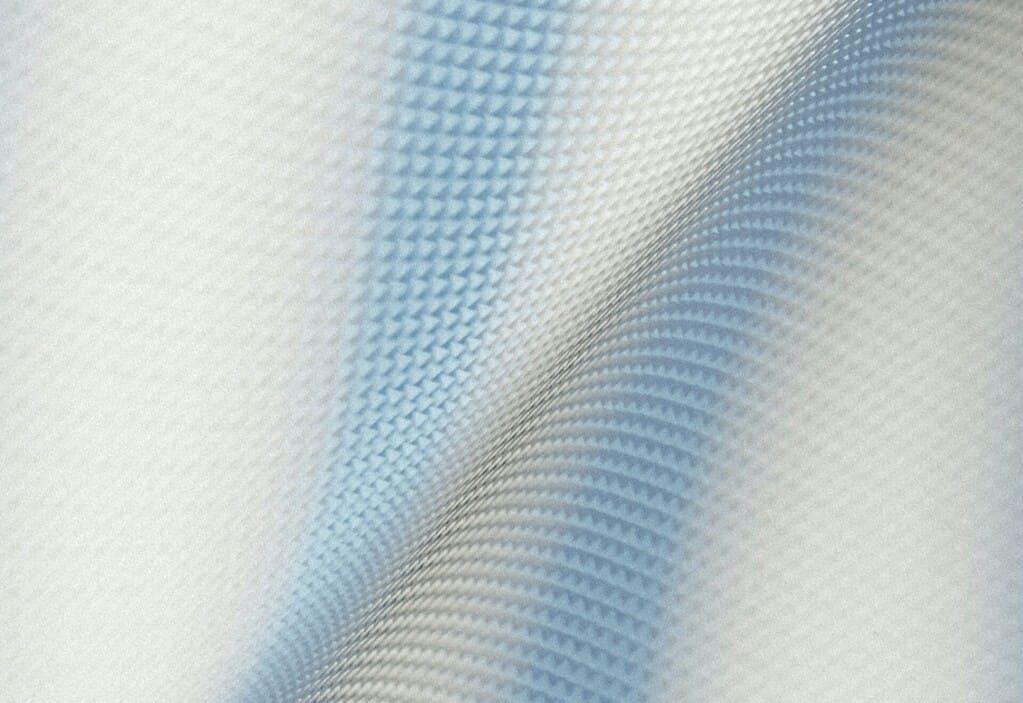
Polyester is a synthetic fiber derived from petroleum-based polymers, widely used across the global textile industry. It is known for its durability, affordability, and versatility.
Key Characteristics of Polyester
Strong and abrasion-resistant
Wrinkle-resistant and shape-retaining
Low moisture absorption
Easy to care for and fast-drying
Because of these properties, polyester is commonly used in:
Apparel and uniforms
Sportswear and activewear
Home textiles (curtains, upholstery)
Industrial and technical fabrics
Polyester’s structure also makes it one of the best fabrics for digital printing and sublimation, producing vibrant and long-lasting colors.
👉 You can explore different polyester fabric options on Our Fabric page.
For a technical overview of polyester fibers, you can also reference authoritative sources such as Wikipedia (Polyester) and Encyclopaedia Britannica.

What Is Spandex Fabric?
Spandex, also known as elastane or Lycra, is a synthetic fiber specifically engineered for exceptional elasticity. It can stretch up to 5–8 times its original length and return to its original shape without deformation.
Key Characteristics of Spandex
Extremely high stretch and recovery
Lightweight and smooth texture
Enhances comfort and mobility
Rarely used alone (usually blended)
Spandex is most commonly used in:
Activewear and performance clothing
Swimwear and leggings
Compression garments
Stretch fashion apparel
Because of its elasticity, spandex is usually blended with other fibers—most often polyester—to balance comfort, durability, and cost.
👉 If you’re planning stretch fabric customization, you can start directly on Design Your Fabric.
For a material science background, Lycra (originally developed by DuPont) provides authoritative technical insights into elastane fibers.
Is Spandex Polyester?
This is one of the most frequently searched questions: is spandex polyester?
The clear answer is no.
Polyester and spandex are two completely different synthetic fibers
They have different chemical structures, performance characteristics, and manufacturing purposes
However, confusion arises because polyester–spandex blends are extremely common in modern textiles.
Why Are Polyester and Spandex Blended Together?
Polyester provides strength, durability, and print quality
Spandex adds stretch, flexibility, and comfort
This combination results in fabrics that are:
Long-lasting
Comfortable to wear
Ideal for movement-based garments
So while spandex is not polyester, the two materials work exceptionally well together.
Polyester vs Spandex: Key Differences Explained
Stretch & Elasticity
Polyester: Minimal natural stretch
Spandex: Exceptional elasticity and recovery
Durability & Strength
Polyester is highly durable and resistant to wear
Spandex is strong but less abrasion-resistant when used alone
Breathability & Comfort
Polyester offers moderate breathability
Spandex improves comfort by allowing greater freedom of movement
Moisture Wicking
Polyester excels at moisture wicking
Spandex absorbs little moisture but enhances fit
Cost & Production
Polyester is cost-effective and widely available
Spandex is more expensive and used in smaller percentages
For more fabric comparisons and educational content, visit our Blog.
Polyester vs Spandex for Printing: Which Is Better?
From a custom fabric printing perspective, polyester and spandex behave very differently.
Polyester for Printing
Polyester is one of the best fabrics for custom printing, especially for:
Dye sublimation
Digital textile printing
Benefits include:
Excellent color vibrancy
High wash durability
Minimal distortion
Spandex for Printing
Spandex can be printed, but it requires:
Specialized inks
Controlled tension during printing
Careful color calibration
Stretching can affect image sharpness if not handled correctly.
Best Choice for Custom Printing
For most projects, polyester or polyester-spandex blends offer the best balance between:
Print quality
Fabric performance
Long-term durability
👉 Ready to customize your fabric? Start your project at Design Your Fabric.
Common Polyester-Spandex Blends Explained
Most stretch fabrics use a blend ratio such as:
95% polyester / 5% spandex – Light stretch, excellent print stability
90% polyester / 10% spandex – Balanced comfort and elasticity
85% polyester / 15% spandex – High stretch for activewear
These blends are widely used for:
Yoga wear and leggings
Sports jerseys
Fashion tops and dresses
Best Uses: When to Choose Polyester or Spandex
Sportswear & Activewear
Polyester-spandex blends provide durability, moisture control, and flexibility.
Fashion & Apparel
Spandex adds comfort and shape retention, while polyester maintains structure.
Home Textiles
Polyester is preferred due to its stability and ease of care.
Custom Fabric Printing
Polyester and blended fabrics are ideal for detailed, long-lasting prints.
👉 Explore suitable materials on Our Fabric or learn more about our expertise on About Us.
Sustainability: Polyester vs Spandex
From a sustainability standpoint:
Polyester can be recycled (rPET), reducing environmental impact
Spandex is harder to recycle and often blended in small amounts
Organizations like Textile Exchange and Fashion for Good are actively researching more sustainable alternatives for both fibers.
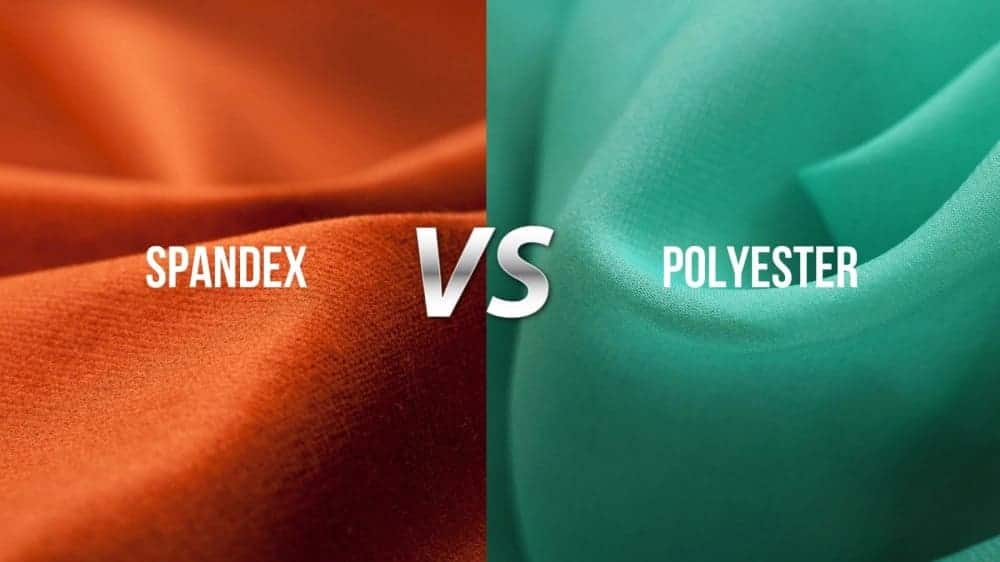
Polyester vs Spandex: Quick Comparison
| Feature | Polyester | Spandex |
|---|---|---|
| Stretch | Low | Very High |
| Durability | High | Medium |
| Print Quality | Excellent | Moderate |
| Moisture Wicking | Good | Low |
| Cost | Lower | Higher |
Final Thoughts: Polyester or Spandex — Which Fabric Is Right for You?
When comparing polyester vs spandex, there is no single “better” option—only the right fabric for your specific application.
Choose polyester for durability, affordability, and superior print results
Choose spandex blends when stretch, comfort, and movement are essential
For most custom fabric printing projects, polyester or polyester-spandex blends deliver the best overall performance.
👉 Ready to bring your design to life? Start now at Design Your Fabric.
📚 Frequently Asked Questions (FAQs)
1. Is spandex the same as polyester?
No, spandex and polyester are not the same material. Polyester is a durable synthetic fiber with low stretch, while spandex (also known as elastane) is designed specifically for high elasticity. They are often blended together, which causes confusion.
2. Is spandex polyester or plastic?
Spandex is a synthetic fiber made from polyurethane, while polyester is made from polymer-based esters. Although both are synthetic, spandex is not polyester. Each fiber has different chemical structures and performance characteristics.
3. Which is better: polyester vs spandex for activewear?
Neither fabric is universally better. Polyester is ideal for durability, affordability, and printing quality, while spandex is better for stretch and flexibility. For most applications, a polyester–spandex blend offers the best balance.
4. Does polyester stretch like spandex?
Polyester has minimal natural stretch, whereas spandex can stretch up to five to eight times its original length. This is why spandex is commonly added to polyester fabrics to improve comfort and mobility.
5. Is polyester vs spandex better for custom fabric printing?
Yes, polyester–spandex blends are excellent for custom fabric printing. Polyester ensures color vibrancy and durability, while spandex adds stretch. Proper tension control during printing helps maintain image clarity.
6. Which fabric is better for activewear: polyester or spandex?
Activewear typically uses polyester blended with spandex. Polyester provides moisture-wicking and durability, while spandex enhances flexibility and comfort during movement.
7. Is spandex breathable compared to polyester?
Spandex itself is not highly breathable, but when blended with polyester, it improves comfort by allowing garments to move naturally with the body. Breathability depends largely on fabric construction rather than fiber type alone.