Choosing the right knitted fabric is an important part of developing a successful clothing collection. Cotton pique fabric and cotton interlock fabric are two widely used materials, but their different constructions, surface textures, and performance characteristics make them suitable for different apparel applications.
Cotton pique is commonly associated with polo shirts, uniforms, and textured casualwear. Cotton interlock is frequently used for T-shirts, babywear, loungewear, and garments that require a smooth fabric surface.
For clothing brands and textile buyers, however, choosing a fabric involves more than comparing its appearance. Fiber composition, GSM, fabric width, stretch recovery, shrinkage, printing compatibility, and finishing requirements can all influence the final garment.
This guide explains the characteristics, types, weights, and applications of cotton pique and interlock fabrics, with practical considerations for custom fabric printing and apparel sourcing.
What Is Cotton Pique Fabric?
Cotton pique fabric, also called pique cotton fabric, is a fabric known for its distinctive raised or textured surface.
In apparel, knitted pique is commonly used to create polo shirts and casual clothing. Depending on the construction, its surface may feature honeycomb-like, waffle-like, or other small geometric textures.
The term pique can also describe certain woven fabrics, so buyers should confirm whether a supplier is offering knitted pique or woven pique.
Key Characteristics of Cotton Pique Fabric
1. Distinctive surface texture
Pique’s raised texture gives garments a recognizable appearance. The texture can vary from subtle to pronounced depending on the knit construction.
2. Structured appearance
Many cotton pique fabrics offer a more structured appearance than lightweight smooth knits, making them popular for polo shirts and uniforms.
3. Different fabric weights
Cotton pique is available in different GSM ranges. Weight influences thickness, drape, comfort, and garment suitability.
4. Flexible fiber compositions
Pique fabrics may be made from 100% cotton or cotton blends. Some constructions include elastane to provide additional stretch.
5. Printing considerations
The textured surface can influence the reproduction of small lettering, fine lines, and detailed printed patterns.
The actual performance of a pique fabric depends on its composition, construction, yarn, and finishing process.
Types of Cotton Pique Fabric
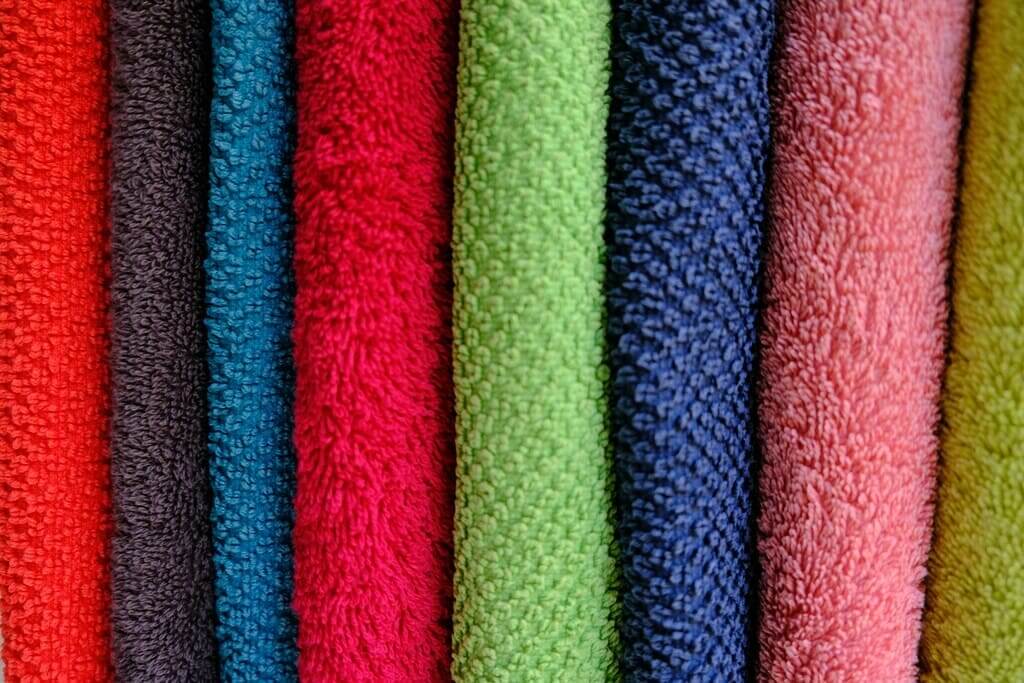
Not all cotton pique fabrics have the same construction or performance. Understanding the available variations helps clothing brands choose a suitable material.
1. Classic Cotton Pique
Classic cotton pique is widely associated with polo shirts and casual uniforms.
Its textured knit surface creates a traditional appearance, while the fabric’s weight and finishing influence its softness and structure.
Common applications: Polo shirts, casual tops, and uniforms.
2. Double Pique
Double pique is a term used for certain pique constructions that may provide a fuller or more substantial fabric feel.
However, naming conventions can differ between suppliers. Buyers should request a fabric sample and construction details rather than assuming that all products labeled double pique are identical.
Common applications: Structured casualwear, polo shirts, and selected uniform styles.
3. Stretch Cotton Pique
Stretch cotton pique may contain elastane or use a knit construction that provides additional flexibility.
When selecting stretch pique, consider both stretch percentage and recovery. A fabric that stretches easily does not necessarily return to its original dimensions equally well.
Common applications: Fitted polo shirts, casualwear, and garments requiring additional movement.
4. Organic Cotton Pique
Organic cotton pique uses organically grown cotton and may be available in different weights, knit constructions, and finishes.
For brands requiring certified organic textiles, it is important to confirm the certification status of the specific fabric and relevant supply chain.
Organic cotton content alone does not mean that the finished fabric is GOTS-certified.
For information about certification requirements, consult the Global Organic Textile Standard (GOTS).
Common applications: Apparel collections with verified organic-material sourcing requirements.
Best Uses of Cotton Pique Fabric
Cotton pique is especially useful when surface texture contributes to the desired garment appearance.
Polo Shirts
Pique is closely associated with classic polo-shirt construction.
Its textured surface helps create the familiar polo appearance, while the selected GSM and finishing determine the fabric’s actual thickness and drape.
For a polo collection, brands should compare fabric weight, collar construction, stretch, shrinkage, and color performance.
Staff and School Uniforms
Cotton pique is often used for polo-style uniforms.
When sourcing uniform fabrics, consistency between production batches is important. Buyers should review color matching, dimensional stability, fabric specifications, and any required performance testing.
Casualwear and Fashion Tops
Pique can also be used for casual shirts, textured tops, and selected fashion garments.
Different constructions create different surface effects, allowing designers to choose between subtle texture and a more pronounced knit appearance.
Custom Printed Apparel
Printed pique can create an interesting combination of surface texture and graphic design.
However, detailed artwork may interact visually with the raised knit structure. Testing the actual design on the selected fabric is recommended before production.
What Is Cotton Interlock Fabric?
Cotton interlock fabric is a double-knit material typically characterized by a smooth surface on both sides.
Unlike ordinary single jersey, interlock uses a construction that produces two interconnected knit structures.
This construction generally creates a fabric with a smooth appearance and a relatively substantial hand feel compared with some lightweight single-knit fabrics.
However, thickness, stability, and stretch depend on the actual yarn, gauge, composition, and finishing.
Key Characteristics of Cotton Interlock Fabric
1. Smooth double-knit surface
Interlock typically has a smooth appearance on both sides, making it suitable for garments where an even fabric surface is desirable.
2. Soft hand feel
Many cotton interlock fabrics offer a soft, comfortable feel, although this depends on the selected material and finishing.
3. Natural knit stretch
Interlock has stretch associated with its knitted construction. Stretch recovery varies, particularly when comparing 100% cotton fabrics with cotton-elastane blends.
4. Different GSM options
Interlock can be produced in different weights for T-shirts, loungewear, babywear, and other garments.
5. Printing potential
Its smooth surface may be advantageous for reproducing detailed artwork, subject to the selected printing method and fabric preparation.
For a technical introduction to knitted constructions, CottonWorks provides educational resources on knitting and knit fabrics.
Advantages of Cotton Interlock Fabric
Cotton interlock offers several characteristics that make it useful for apparel production.
Smooth Appearance
Interlock’s even surface is suitable for garments with simple silhouettes and clean styling.
It may also provide a useful starting point for evaluating printed designs containing small details or repeating patterns.
Comfortable Hand Feel
The double-knit construction can provide a soft and relatively substantial fabric feel.
However, comfort should be evaluated using the actual fabric sample, since finishing, composition, and weight can change the result.
Versatility in Garment Construction
Interlock can be used for a range of casual and comfortable garments.
Designers should still assess the fabric’s stretch, recovery, thickness, and sewing requirements before choosing it for a particular pattern.
Dimensional Stability Considerations
Some interlock constructions may offer useful structural stability, but shrinkage and shape retention cannot be assumed from the fabric name alone.
These properties should be confirmed through appropriate testing when they are important for the finished garment.
Best Uses of Cotton Interlock Fabric
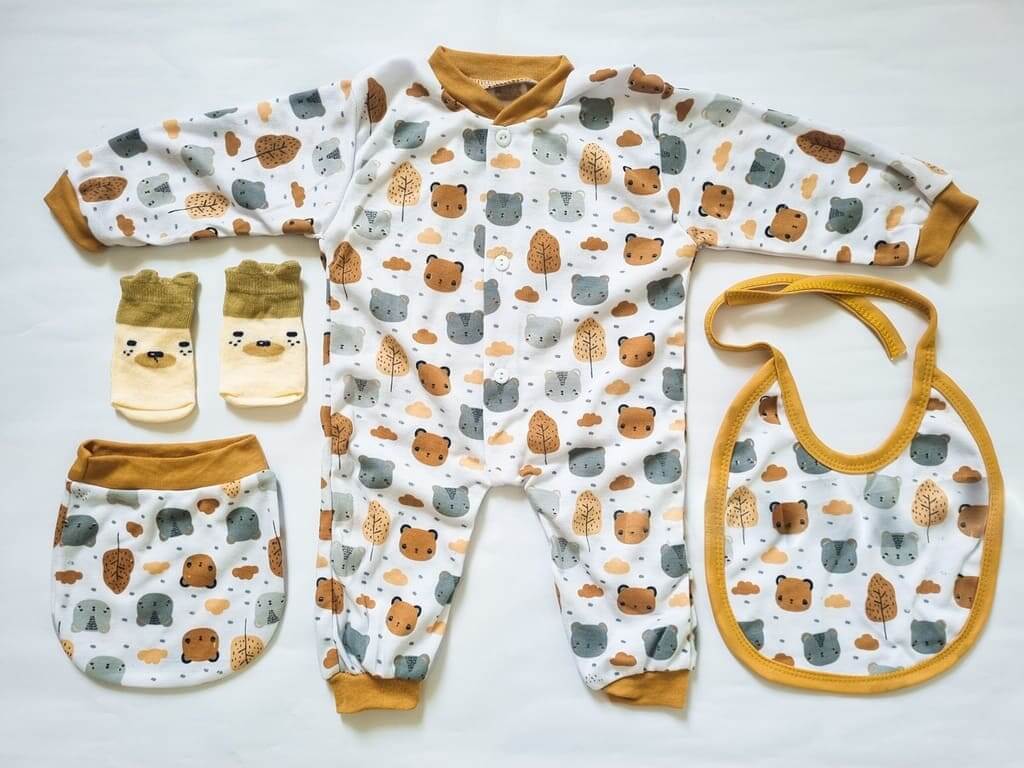
Cotton interlock is commonly selected for garments where a smooth surface and comfortable hand feel are important.
T-Shirts and Casual Tops
Interlock can be used for T-shirts, everyday tops, and other casual garments.
Its smooth appearance may be particularly attractive for clothing brands developing premium basic collections.
Babywear and Children's Clothing
Cotton interlock is often considered for babywear because of its soft hand feel and smooth surface.
However, fabric softness alone does not establish that a material is safe for baby garments.
Brands should verify applicable requirements relating to composition, dyes, finishes, garment construction, labeling, and product safety.
Loungewear and Sleepwear
Interlock can be used for comfortable indoor clothing and selected sleepwear designs.
When developing sleepwear, buyers should confirm the required fabric performance and applicable safety standards for their target market.
Custom Printed Clothing
The smooth surface of cotton interlock may be useful for printed illustrations, repeating patterns, and other detailed designs.
Nevertheless, print compatibility must be confirmed for the exact fabric and production process.
Pique vs Interlock: Key Differences
Although cotton pique and cotton interlock are both used in knitted apparel, their constructions and surface appearances differ.
| Feature | Cotton Pique Fabric | Cotton Interlock Fabric |
|---|---|---|
| Surface | Textured or raised | Smooth on both sides |
| Construction | Textured knit; specifications vary | Double-knit interlock |
| Appearance | Often structured and sporty | Smooth and understated |
| Hand Feel | Depends on texture and finishing | Often smooth and soft |
| Stretch | Depends on construction and blend | Depends on construction and blend |
| Common Garments | Polo shirts, uniforms, casual tops | T-shirts, babywear, loungewear |
| Printing | Texture can affect fine graphic details | Smooth surface can support detailed artwork |
| Fabric Weight | Available in different GSM options | Available in different GSM options |
GSM, Weight & Performance Guide
GSM (grams per square meter) measures the mass of fabric per unit area.
It is an important specification for apparel sourcing because it helps buyers compare fabric weights.
However, GSM alone does not determine softness, breathability, stretch, or durability.
Typical GSM Considerations
The following ranges are illustrative planning references, not verified specifications for every supplier or JCWTextile product.
| Fabric Type | Illustrative GSM Range | Potential Applications |
|---|---|---|
| Cotton Pique | 180–260 GSM | Polo shirts, casualwear, uniforms |
| Cotton Interlock | 160–220 GSM | T-shirts, babywear, loungewear |
Why GSM Matters for Apparel Production
Lightweight fabrics may be useful when a softer drape or lower fabric mass is desired.
Medium-weight fabrics may provide a balance of structure and comfort for everyday clothing.
Heavier fabrics may be selected when additional substance or structure is required.
These are general tendencies, not fixed performance rules.
For standardized measurement, ASTM D3776/D3776M describes methods for determining fabric mass per unit area.
Performance Considerations
Instead of relying on subjective star ratings, compare the properties that matter for your project.
| Property | What Buyers Should Evaluate |
|---|---|
| Surface Texture | Smooth versus raised knit appearance |
| Stretch | Stretch in the required directions |
| Recovery | Ability to return toward original dimensions |
| Shrinkage | Dimensional change after specified care |
| Drape | How the fabric hangs in the intended garment |
| Print Appearance | Color, detail, and pattern scale |
| Durability | Relevant abrasion, pilling, or other test requirements |
| Color Performance | Applicable colorfastness requirements |
Custom Printing on Cotton Pique and Interlock Fabrics
Custom fabric printing allows clothing brands to apply their own patterns, artwork, or branding to selected textiles.
However, fabric selection and printing method must be considered together.
Printing on Cotton Pique
The textured surface of pique may influence how fine details appear after printing.
Small lettering, narrow lines, and intricate illustrations should be evaluated carefully.
For designs intended for pique, consider testing different pattern scales to determine which version produces the desired appearance.
Printing on Cotton Interlock
Interlock’s smooth surface may be advantageous for designs with fine details or continuous repeating patterns.
However, the final result also depends on the fiber composition, ink system, pretreatment, fixation, and finishing.
A smooth surface does not guarantee a particular level of colorfastness or print durability.
Confirming the Printing Method
Printing compatibility depends on the actual material.
For cotton and other cellulosic fabrics, suitable printing processes may include pigment or reactive printing, depending on the equipment and production requirements.
Brands should confirm the selected process with their supplier rather than assuming that every digital printing method is compatible with every fabric.
Artwork Preparation
Before submitting artwork, confirm:
Image resolution and file format
Pattern repeat alignment
Intended print dimensions
Color expectations
Fabric width and usable printing area
Sample approval requirements
For additional preparation guidance, visit our How It Works page.
Choosing Fabric Specifications for Your Collection
For professional fabric sourcing, a fabric name is only the starting point.
Before confirming cotton pique or interlock for production, prepare a clear specification.| Specification | Information to Confirm |
|---|---|
| Fiber Composition | 100% cotton or specified blend |
| Fabric Construction | Knitted pique, interlock, or another construction |
| GSM | Target fabric weight and acceptable tolerance |
| Width | Finished usable fabric width |
| Stretch | Required stretch direction and amount |
| Recovery | Performance requirements for fitted garments |
| Shrinkage | Acceptable dimensional change |
| Color | Approved color reference or printed artwork |
| Printing Method | Compatibility with the selected fabric |
| Certification | Applicable documentation for any claimed certification |
| Quantity | Sample quantity and estimated production yardage |
Why Fabric Width Matters
Fabric width affects cutting efficiency, garment layout, and material consumption.
Two fabrics with the same GSM may produce different garment yields if their usable widths differ.
For clothing brands, confirming fabric width early can improve the accuracy of production planning.
Why Shrinkage Matters
Cotton knit fabrics can change dimensions during washing or finishing.
The amount of shrinkage depends on the material and processing history.
If consistent garment sizing is important, buyers should establish acceptable shrinkage limits and review relevant test information.
Why Sample Approval Matters
A sample allows buyers to evaluate the material before committing to a larger order.
For printed fabric, sample approval should cover both fabric characteristics and print appearance.
Review the color, pattern scale, surface texture, hand feel, and any performance requirements relevant to the finished garment.
Organic Cotton and Fabric Certification Considerations
Brands interested in organic cotton pique or interlock should distinguish between fiber sourcing claims and finished-textile certification.
A fabric made using organically grown cotton is not automatically certified under every organic textile standard.
Certification requirements may involve processing, chemical inputs, traceability, and documentation throughout the supply chain.
For information about organic textile certification, consult the official GOTS website.
If your clothing collection requires certified materials, request the relevant documentation for the specific product before making certification claims in marketing or product listings.
Where to Buy Custom Printed Cotton Pique & Interlock Fabrics
JCWTextile specializes in custom digital fabric printing for designers, clothing brands, small businesses, and wholesale buyers.
We support custom artwork printing and small-quantity fabric projects, with production options depending on the selected material and specifications.
If you are interested in cotton pique or cotton interlock, please confirm the availability of the required fabric construction and printing method before ordering.
Information to Include in Your Inquiry
For a more accurate discussion of your project, provide:
Preferred fabric type and composition
Target GSM and fabric width
Intended garment application
Artwork or repeating pattern
Estimated fabric yardage
Sample requirements
Destination country
Any required testing or certification documentation
You can begin through our Design Your Fabric page or contact JCWTextile for assistance.
International shipping requirements and charges can be confirmed based on the fabric, order quantity, and delivery destination.
Conclusion
Cotton pique fabric and cotton interlock fabric both have important roles in apparel manufacturing.
Pique is often selected for its textured surface and traditional polo-shirt appearance. Interlock is commonly used when a smooth surface and soft hand feel are priorities.
For clothing brands, the most important step is to evaluate the actual fabric specification rather than relying on the fabric name alone.
Review composition, GSM, width, stretch, shrinkage, printing compatibility, and sample results before confirming production.
If you are planning a custom printed fabric collection, contact JCWTextile with your artwork and material requirements to discuss suitable options.
📚 FAQs About Pique and Interlock Fabrics
1. What is cotton pique fabric?
Cotton pique is a fabric known for its raised or textured surface. Knitted cotton pique is commonly used for polo shirts, uniforms, and casualwear.
2. What is cotton interlock fabric?
Cotton interlock is a double-knit fabric with a smooth surface on both sides. It is often used for T-shirts, babywear, loungewear, and other comfortable garments.
3. Is cotton pique suitable for custom printing?
Cotton pique may be suitable for custom printing, depending on the fabric composition and printing method. Its textured surface can affect the appearance of fine details, so printed samples are recommended.
4. Is cotton interlock better for detailed prints?
The smooth surface of interlock may be advantageous for detailed designs. However, print quality depends on the actual fabric, printing method, artwork, and finishing.
5. What GSM should I choose for a cotton pique polo shirt?
There is no single ideal GSM for every polo shirt. The appropriate weight depends on the intended structure, comfort, climate, and garment design. Compare available samples before selecting a production specification.
6. Is cotton interlock suitable for baby clothing?
Cotton interlock is commonly used for babywear, but suitability depends on the finished material and applicable product safety requirements. Brands should verify the necessary compliance and testing requirements.
7. Is interlock fabric the same as single jersey?
No. Interlock is a double-knit construction, while single jersey has a different knit structure. Their surfaces, stretch behavior, and other characteristics may differ.
8. Which fabric is more durable, pique or interlock?
Neither is automatically more durable. Durability depends on fiber composition, yarn, knit construction, finishing, garment use, and relevant performance testing.
9. Can I order custom printed cotton fabric in small quantities?
JCWTextile supports small-quantity custom fabric printing. The availability of a particular pique or interlock material should be confirmed before ordering.
10. Can cotton pique and interlock fabrics be organic?
Both fabric constructions may be made using organically grown cotton. However, claims about certified organic textiles require appropriate documentation for the specific material and supply chain.