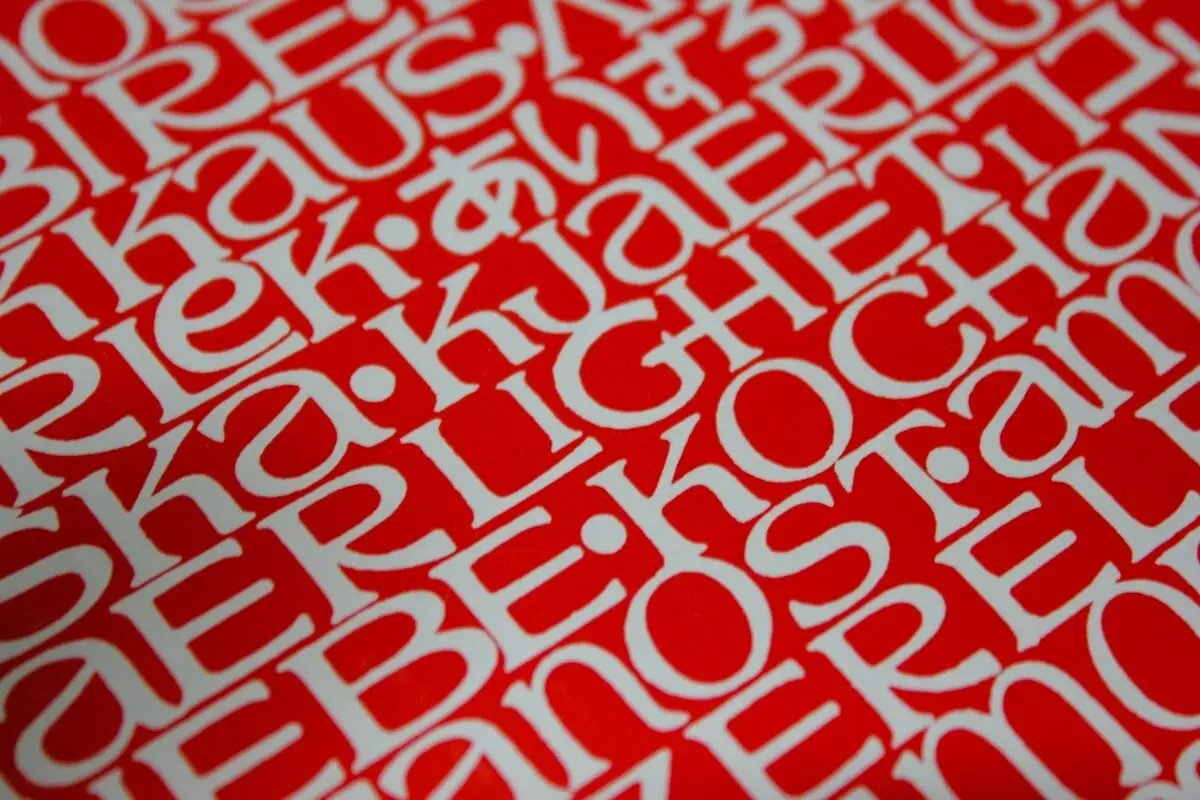
Introduction: Transform Your Brand Identity with Custom Logo Fabric
In today’s competitive market, businesses are constantly looking for creative ways to improve brand recognition and create memorable customer experiences. One effective solution is logo fabric, a customized textile that features a company logo, brand pattern, or personalized artwork directly printed onto the fabric surface.
From fashion brands and home textile companies to promotional businesses and interior designers, more organizations are using custom printed fabric to create unique products that represent their brand identity.
Unlike traditional labels or embroidered logos, printed logo textiles provide unlimited design possibilities, allowing businesses to customize colors, patterns, and layouts according to their branding needs.
Whether you need custom fabric for clothing, scarves, blankets, bags, cushions, or commercial projects, choosing the right fabric type and printing method is essential for achieving professional results.
JCWTextile provides customized textile printing solutions for businesses that need high-quality design and print fabric services, flexible production options, and professional fabric recommendations.
Explore our fabric collections here: our fabric.
What Is Logo Fabric?
Logo fabric refers to textile materials printed with a company’s logo, trademark, brand graphics, or customized visual elements. Instead of attaching a separate logo after production, the branding design becomes part of the fabric itself.
This printing method allows businesses to create fully personalized textile products with consistent branding.
Common applications include:
- Custom clothing and apparel
- Fashion accessories
- Promotional products
- Corporate gifts
- Hotel textiles
- Home decoration fabrics
- Custom scarves and blankets
- Designer fabric collections
For modern brands, logo fabric is more than decoration. It is a powerful marketing tool that helps customers immediately recognize products and creates a premium brand experience.
Why Businesses Choose Custom Logo Fabric
1. Stronger Brand Recognition
A consistent logo pattern across textiles helps customers remember your brand. Businesses can use the same logo colors and designs across multiple products to create a unified visual identity.
For example:
- A fashion company can create exclusive printed fabrics for seasonal collections.
- A hotel can customize bedding and curtains with branded patterns.
- A company can produce personalized promotional textiles.
2. Unlimited Design Possibilities
Traditional branding methods often limit creativity. With modern fabric printing technology, businesses can create:
- Repeating logo patterns
- Full-color graphics
- Detailed illustrations
- Gradient designs
- Complex artwork
Digital textile printing allows designers to transform almost any creative idea into a finished fabric product.
3. Professional and Premium Appearance
Custom printed textiles create a stronger impression compared with standard materials.
For luxury brands, boutique businesses, and interior designers, personalized fabrics can increase perceived product value and help products stand out in competitive markets.
How to Print a Logo on Fabric: Step-by-Step Guide
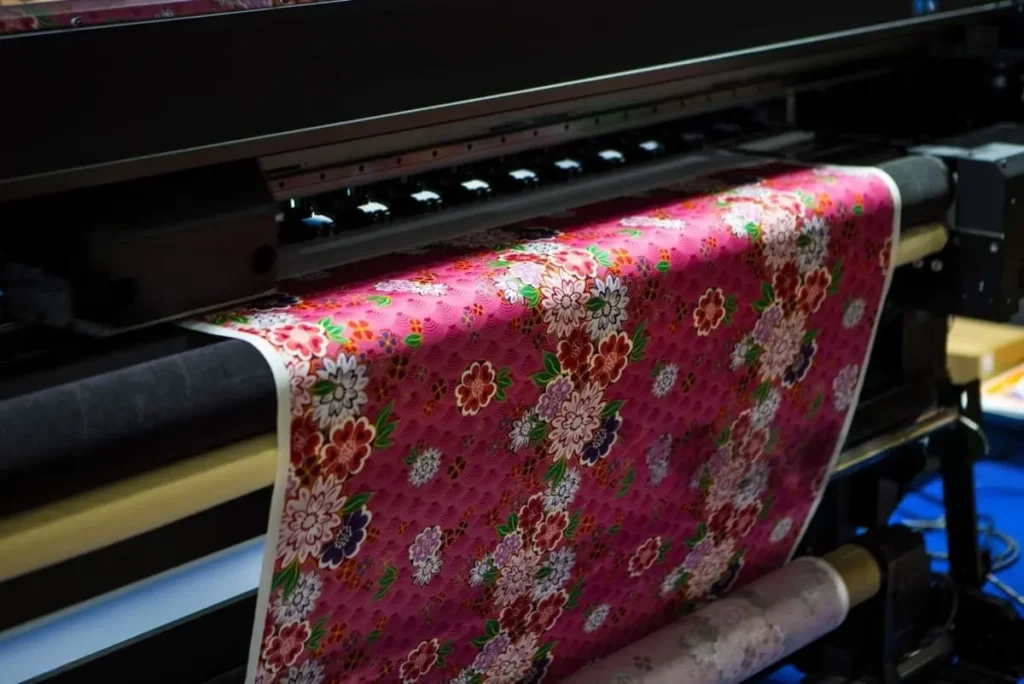
Creating high-quality logo fabric requires careful planning, from design preparation to fabric selection and printing.
Step 1: Prepare Your Logo Design File
The first step is preparing a professional artwork file.
Recommended formats include:
- AI
- EPS
- SVG
- High-resolution PNG
For the best printing results:
- Use a minimum resolution of 300 DPI
- Provide transparent backgrounds when possible
- Confirm correct logo proportions
- Check color accuracy before production
Professional design software such as Adobe Illustrator is commonly used to prepare vector logo files.
A well-prepared design ensures sharper details and better printing quality.
Step 2: Select the Right Fabric Material
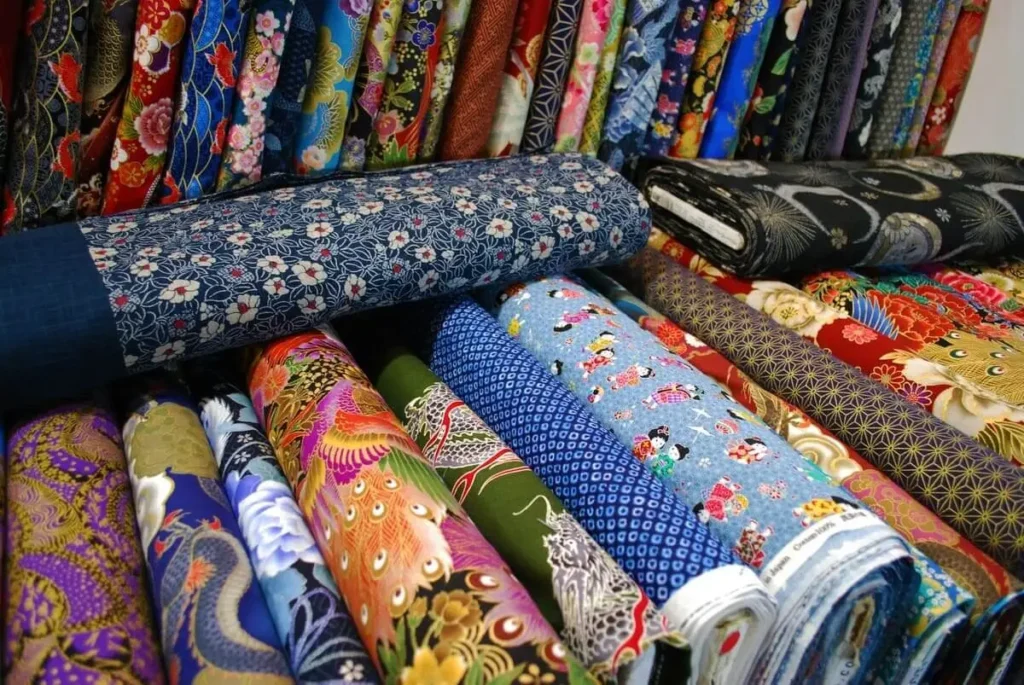
Choosing the correct fabric is one of the most important factors when creating logo fabric.
Different textiles have different printing characteristics.
Cotton Fabric
Cotton is popular for:
- Clothing
- Tote bags
- Casual products
- Home textiles
Advantages:
- Soft texture
- Comfortable feel
- Natural appearance
Cotton works well with digital printing because it provides excellent color absorption.
Polyester Fabric
Polyester is widely used for:
- Sportswear
- Promotional products
- Outdoor textiles
Advantages:
- Bright colors
- Excellent durability
- Cost-effective production
For businesses requiring vibrant logo designs, polyester is often an ideal choice.
Linen Fabric
Linen is suitable for premium applications such as:
- Luxury home decoration
- Designer products
- Boutique collections
Advantages:
- Natural texture
- High-end appearance
- Sustainable image
Specialty Fabrics
JCWTextile also works with various specialty fabrics, including:
- Velvet
- Fleece
- Sherpa
- Microfiber
These fabrics are suitable for unique branding projects and customized textile collections.
Step 3: Choose the Best Logo Fabric Printing Method
Different printing technologies provide different results depending on fabric type, quantity, and application.
Digital Fabric Printing
Digital printing is one of the most flexible solutions for custom printed fabric.
Benefits:
- Suitable for detailed logos
- Supports unlimited colors
- Ideal for small and medium quantities
- Allows customized designs
This method is especially useful for designers, startups, and businesses testing new product collections.
Sublimation Printing
Sublimation printing is commonly used for polyester fabrics.
Advantages:
- Excellent color durability
- Smooth fabric surface
- Long-lasting patterns
Popular applications:
- Sportswear
- Flags
- Promotional textiles
Screen Printing
Screen printing is suitable for larger production orders.
Advantages:
- Cost-effective for bulk manufacturing
- Consistent color results
- Suitable for simple logo designs
Businesses ordering large quantities of branded textiles often choose screen printing for efficiency.
Best Applications of Logo Fabric for Businesses

Fashion Brands and Clothing Manufacturers
Fashion companies use logo fabric to create exclusive collections.
Examples:
- Custom dresses
- Printed scarves
- Designer apparel
- Brand-specific textiles
Instead of using generic fabrics, brands can create unique materials that competitors cannot easily copy.
Home Textile and Interior Projects
Logo fabric is increasingly popular in:
- Hotels
- Restaurants
- Interior design projects
Applications include:
- Curtains
- Cushion covers
- Bedding
- Decorative fabrics
Customized textiles help businesses create consistent interior branding.
Corporate Promotional Products
Companies can use personalized fabric for:
- Event merchandise
- Corporate gifts
- Branded accessories
- Exhibition materials
Custom textiles create a stronger connection between customers and brands.
Tips for Maintaining Logo Color Quality
Use Professional Color Management
Color accuracy is critical when printing brand logos.
Recommended practices:
- Use CMYK color settings
- Provide Pantone references when available
- Request samples before mass production
The Pantone Color System is widely used for professional color communication across industries.
Test Before Bulk Production
Before starting large orders, businesses should confirm:
- Logo size
- Fabric texture
- Color appearance
- Printing quality
A sample approval process helps prevent production problems and ensures the final product matches expectations.
Choose Suitable Fabric Finishing
Fabric finishing affects:
- Softness
- Durability
- Washing performance
The correct finishing process helps maintain logo appearance after repeated use.
How to Order Wholesale Custom Logo Fabric
For businesses planning large production, the ordering process usually includes several important steps.
1. Define Your Requirements
Prepare information including:
- Fabric type
- Logo design
- Printing method
- Quantity
- Final application
Clear requirements help manufacturers recommend the best solution.
2. Submit Your Design
Customers can provide:
- Logo files
- Pattern designs
- Color references
- Product specifications
JCWTextile helps customers transform creative ideas into finished textile products.
Learn more about designing your own fabric.
3. Review Samples
Before bulk production, reviewing samples allows businesses to check:
- Print quality
- Color accuracy
- Fabric performance
This step is especially important for fashion brands and commercial textile projects.
4. Begin Bulk Production
After approval, manufacturers can produce customized fabrics according to project requirements.
Wholesale custom fabric printing is ideal for:
- Clothing companies
- Retail brands
- Interior businesses
- Promotional suppliers
Sustainable Considerations in Custom Textile Printing
Many businesses are now choosing environmentally responsible textile solutions.
Sustainable practices include:
- Selecting eco-friendly fabrics
- Reducing production waste
- Using responsible printing processes
Organizations such as Textile Exchange provide industry resources related to sustainable textile development.
Choosing sustainable materials can help brands build stronger connections with environmentally conscious customers.
Why Choose JCWTextile for Logo Fabric Printing?
JCWTextile specializes in customized textile solutions for businesses worldwide.
Our services include:
- Custom printed fabric production
- Multiple fabric choices
- Personalized logo printing
- Professional design support
- Flexible order solutions
Whether you are developing a new fashion collection, creating branded home textiles, or producing promotional products, JCWTextile can help turn your ideas into customized fabrics.
Learn more about our company.
Conclusion: Create Unique Brand Identity with Logo Fabric
Custom logo fabric provides businesses with a powerful way to create recognizable, professional, and personalized textile products.
From fashion collections and home textiles to promotional materials, branded fabrics allow companies to express their identity through every detail.
With the right fabric selection, printing technology, and professional production partner, businesses can transform creative designs into high-quality textile products.
Ready to create your own branded textile collection?
Explore JCWTextile custom fabric printing solutions and start your personalized fabric project today.
📚 Frequently Asked Questions (FAQs)
1. What is logo fabric?
Logo fabric is a customized textile printed with a company logo, brand name, pattern, or personalized artwork. It allows businesses to create unique branded textiles for clothing, accessories, home decoration, promotional products, and commercial applications.
Unlike traditional labels, logo fabric integrates branding directly into the textile design, creating a professional and consistent brand appearance.
2. What fabrics are suitable for logo printing?
The best fabric for logo printing depends on the final application and desired appearance.
Common options include:
- Cotton fabric: Ideal for apparel, tote bags, and home textiles because of its softness and natural feel.
- Polyester fabric: Suitable for sportswear and promotional products due to its vibrant colors and durability.
- Linen fabric: A premium choice for luxury textiles and interior applications.
- Fleece, sherpa, and velvet fabrics: Suitable for customized blankets, cushions, and specialty products.
JCWTextile can help businesses select the most suitable fabric based on design requirements and product applications.
3. How can I print my logo on fabric?
To create custom logo fabric, businesses usually follow these steps:
- Prepare a high-quality logo file.
- Select the appropriate fabric type.
- Choose a suitable printing method.
- Approve a sample before production.
- Start bulk manufacturing.
Digital printing, sublimation printing, and screen printing are commonly used methods for creating custom printed fabric.
4. What file format should I provide for logo fabric printing?
For the best printing results, vector logo files are recommended.
Preferred formats include:
- AI
- EPS
- SVG
High-resolution PNG files can also be used for certain printing projects.
Providing clear artwork helps maintain logo details, sharp edges, and accurate colors during production.
5. Can small businesses order custom logo fabric?
Yes. Small businesses, startups, and independent designers can order custom printed fabric through flexible production solutions.
Digital textile printing makes it possible to create personalized fabrics with lower minimum quantities compared with traditional printing methods.
This allows emerging brands to develop unique products without requiring extremely large production volumes.
6. What printing method is best for logo fabric?
The best printing method depends on the fabric type, design complexity, and order quantity.
Digital Printing:
Best for:
- detailed logos
- multiple colors
- small and medium orders
Sublimation Printing:
Best for:
- polyester fabrics
- sportswear
- durable color performance
Screen Printing:
Best for:
- large production quantities
- simple logo designs
A professional textile supplier can recommend the best method based on your project requirements.
7. How long does custom logo fabric production take?
Production time depends on several factors:
- Fabric selection
- Printing method
- Design complexity
- Order quantity
- Sample approval process
Small customized projects may require less time, while large wholesale orders usually need additional production and quality control stages.
8. How can I keep logo colors accurate on fabric?
To maintain accurate colors:
- Provide Pantone color references when available.
- Use professional design files.
- Confirm fabric samples before bulk production.
- Select suitable printing technology.
Proper color management helps ensure that your finished personalized fabric printing project matches your original brand design.
9. Can logo fabric be used for wholesale business projects?
Yes. Logo fabric is widely used for wholesale and commercial applications, including:
- Fashion brands
- Corporate merchandise
- Hotels
- Interior design companies
- Promotional product suppliers
Businesses can create branded textile collections using customized fabrics produced according to their specific requirements.