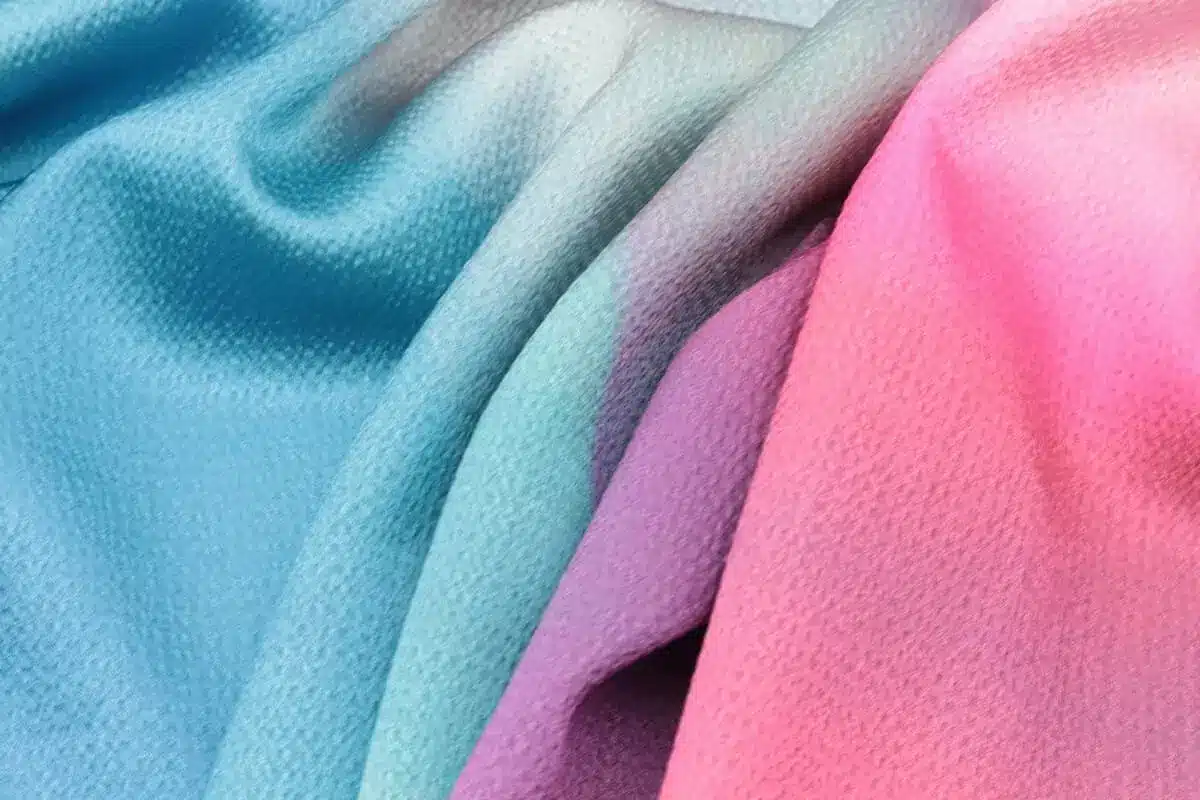
Lycra is a revolutionary fabric that has transformed the world of fashion, sportswear, and activewear. But what is Lycra made of? Let’s dive into the essential components of this versatile fabric, its history, key properties, and how it differs from similar fabrics like spandex. Whether you’re looking for a fabric for your next workout outfit, swimsuit, or even daily wear, understanding Lycra will help you make the right choice.
What is Lycra Fabric?
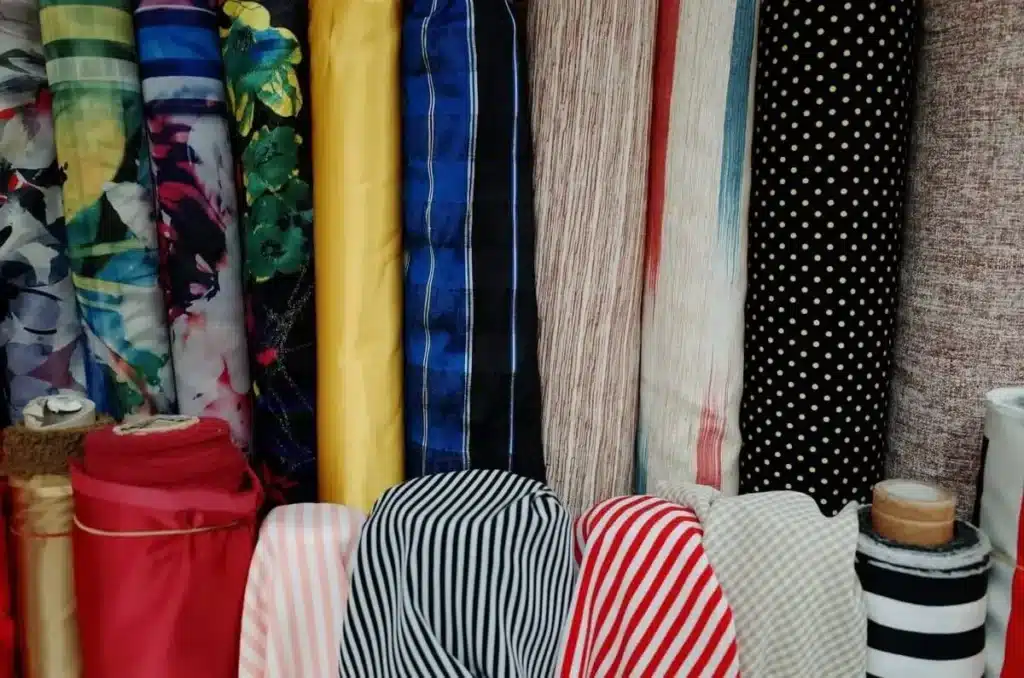
Lycra, also known as spandex or elastane, is a synthetic fabric that’s made primarily from polyurethane fibers. The material’s defining characteristic is its exceptional stretchability, which can expand up to five times its original length. Lycra fabric is typically combined with other fibers, such as polyester, cotton, or nylon, to enhance its properties and make it more versatile.
The secret to Lycra’s stretch lies in its molecular structure, where the fibers are designed to stretch and return to their original shape. This makes Lycra a popular choice in industries where flexibility and comfort are essential. If you want to explore more about different fabrics, check out our Our Fabrics page to see a variety of fabric options.
Key Components of Lycra:
- Elastic Fiber (Spandex): The main component responsible for Lycra’s stretchability.
- Other Fibers: Often mixed with materials like cotton, polyester, or nylon for added durability, comfort, and breathability.
The History of Lycra: What is Lycra Made Of Over Time?
Lycra was invented in 1958 by chemist Joseph Shivers at DuPont, under the name “Lycra“. Since then, this fabric has revolutionized the textile industry. Initially, Lycra was used primarily for sportswear and activewear, where its flexibility and moisture-wicking properties made it ideal for athletes. Over the years, its use expanded into fashion, swimwear, and intimate apparel due to its unique ability to conform to the body.
Milestones in Lycra’s History:
- 1960s: Lycra fabric started to appear in workout gear and swimsuits.
- 1970s-1980s: Lycra became a staple in fitness and fashion, with brands like Nike and Adidas incorporating it into their designs.
- Today: Lycra is an essential component in various garments, from everyday wear to performance sportswear. For a detailed overview of fabrics used in performance clothing, visit our design-your-fabric page.
Lycra Fabric Properties and Benefits

Lycra fabric is renowned for its elasticity, making it the go-to fabric for activewear, swimwear, and body-hugging garments. Here’s a closer look at the fabric’s primary benefits:
1. Elasticity
Lycra’s ability to stretch makes it perfect for activewear and sportswear. The fabric offers a wide range of motion, making it comfortable for activities like yoga, running, and swimming. Its elastic nature helps it return to its original shape after stretching, maintaining its form over time. Interested in customizing Lycra fabric for your own creations? Learn more about designing your fabric here.
2. Comfort and Softness
While Lycra is known for its stretch, it also offers softness and breathability. Unlike some other stretchy materials, Lycra feels smooth against the skin, which makes it ideal for swimwear and tight-fitting clothing.
3. Durability
Lycra’s strength and resilience make it a highly durable fabric. It is resistant to wrinkles, abrasion, and deformation. Lycra fabric also maintains its color and shape even after frequent washes, which is why it’s often used in sports apparel and performance clothing.
4. Moisture-Wicking
When combined with other fibers, Lycra’s moisture-wicking properties keep the wearer dry by pulling sweat away from the skin. This makes it a preferred choice for athletes and fitness enthusiasts.
Lycra vs Spandex: What’s the Difference?
Lycra and spandex are often used interchangeably, but are they the same thing? Technically, Lycra is a brand name for spandex, just like how Kleenex is a brand name for tissues.
Key Differences:
- Branding: Lycra is a trademarked name owned by Invista. Spandex is the generic term used worldwide for the fabric.
- Performance: Both Lycra and spandex offer similar elasticity and stretch, but Lycra is often considered a higher-quality version of spandex.
- Price: Lycra fabric tends to be more expensive than standard spandex, but its durability and performance justify the cost for many consumers. For more on the advantages of Lycra and other high-performance fabrics, check out Textile World.
How to Choose the Right Lycra Fabric
When choosing Lycra fabric, there are a few factors you need to consider to ensure you get the best material for your needs:
1. Weight and Thickness
Lycra comes in various weights, from lightweight versions used for swimwear to thicker options for sports leggings and bodysuits.
2. Blends
Lycra can be blended with other fabrics such as cotton, nylon, or polyester. These blends can offer different benefits, such as increased breathability, moisture-wicking, and durability.
3. Purpose
Choose Lycra based on its intended use. If you’re buying for sportswear, look for Lycra with high stretch and moisture-wicking properties. For fashion or swimwear, Lycra with a smooth finish and vibrant color retention might be more suitable.
4. Durability
Make sure the Lycra fabric you choose is durable enough for your needs. If you plan on using it for activewear, durability and color retention are key features. Learn more about our fabric options on the Our Fabrics page.
Applications of Lycra Fabric
Lycra is highly versatile and can be found in a wide range of products, from sportswear and swimwear to fashion garments and intimate apparel. Here are some common uses:
- Activewear: Yoga pants, running shorts, and sports bras are made from Lycra for flexibility and comfort.
- Swimwear: Lycra is commonly used in swimsuits due to its excellent fit and resilience to chlorine.
- Fashion: Lycra is a popular choice for bodycon dresses, leggings, and athleisure wear.
- Intimate Apparel: Stretchy underwear and shapewear are often made with Lycra for a smooth, form-fitting look.
Conclusion
Lycra fabric is a game-changer in the world of fashion and activewear. Its elasticity, comfort, and durability make it an essential fabric in the modern wardrobe. Whether you’re looking for sportswear, swimwear, or fashion garments, Lycra has you covered. With its long history, impressive properties, and versatility, Lycra continues to be the fabric of choice for anyone looking for stretch and comfort in their clothing.
📚 Frequently Asked Questions (FAQs)
1. What is Lycra made of?
Lycra is primarily made of polyurethane fibers, which provide its characteristic elasticity. It is often blended with other fibers like cotton, polyester, or nylon to enhance comfort, durability, and breathability.
2. Is Lycra the same as spandex?
Lycra and spandex are both types of elastic fibers, but Lycra is a brand name owned by Invista, while spandex is the generic term used globally for this type of fabric. Both offer similar stretch, but Lycra is often considered to be of higher quality.
3. What are the benefits of Lycra fabric?
Lycra is known for its elasticity, comfort, durability, and moisture-wicking properties. It is highly flexible and returns to its original shape after stretching, making it ideal for activewear, swimwear, and fashion garments.
4. How do I choose the right Lycra fabric?
When selecting Lycra fabric, consider its weight, blends with other materials, and intended use. For activewear, look for Lycra with high stretch and moisture-wicking properties. For swimwear, choose Lycra with a smooth finish and strong chlorine resistance.
5. What is the difference between Lycra and other stretchy fabrics?
Lycra is a specific type of spandex, offering superior stretch and resilience. Compared to other stretchy fabrics like cotton elastane or nylon spandex, Lycra maintains its shape and color better after repeated use and washing.