Table of Contents
Rayon poplin fabric is a popular choice in the world of custom textile printing and lightweight apparel. Known for its smooth surface, soft hand feel, and excellent print performance, rayon poplin strikes a balance between comfort and structure that many designers and brands look for.
In this guide, we’ll break down everything you need to know about rayon poplin fabric — from its weight and texture to its printability and real-world uses. Whether you’re sourcing fabric for fashion, accessories, or custom printing projects, this article will help you decide if rayon poplin is the right fit.
If you’re exploring more fabric knowledge, you can also browse our full fabric education blog at blog.
What Is Rayon Poplin Fabric?
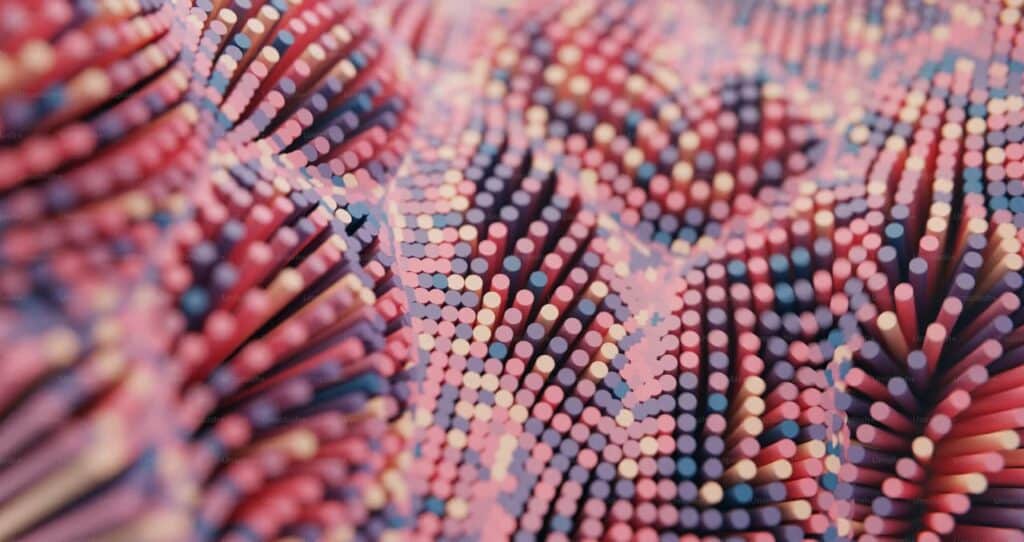
Rayon poplin fabric is a lightweight woven fabric made from rayon fibers using a poplin weave structure. Poplin is a plain weave characterized by fine horizontal ribs, which give the fabric a smooth, tight surface and a subtle texture.
Rayon itself is a regenerated cellulose fiber known for its softness, breathability, and silk-like drape. When combined with a poplin weave, the result is a fabric that feels smooth to the touch, drapes naturally, and maintains enough structure for clean garment lines.
Compared to cotton poplin, rayon poplin is generally softer and more fluid. Compared to polyester poplin, it offers better breathability and a more natural hand feel.
For fiber and weave fundamentals, you can refer to these authoritative resources:
Rayon fiber overview – Wikipedia
https://en.wikipedia.org/wiki/Rayon
Rayon Poplin Fabric Weight & Feel
One of the defining characteristics of rayon poplin fabric is its lightweight nature. Most rayon poplin fabrics typically fall within a range of 90–130 GSM, making them ideal for warm-weather garments and layered designs.
Key characteristics of lightweight rayon fabric:
Soft and smooth surface with minimal texture
Excellent drape without feeling clingy
Lightweight yet opaque, depending on print and color
Comfortable for all-day wear
Because of its balanced weight, rayon poplin fabric works well for designs that require movement and flow while still holding shape better than ultra-light fabrics like chiffon.

Is Rayon Poplin Good for Printing?
Yes — rayon poplin printing is one of the fabric’s strongest advantages.
The smooth, tightly woven surface allows inks to sit evenly on the fabric, resulting in sharp details and vibrant colors. This makes rayon poplin an excellent poplin fabric for printing, especially for digital textile printing.
Why rayon poplin printing performs well:
Smooth weave enhances print clarity
Rayon fibers absorb dyes effectively
Suitable for detailed patterns, florals, and gradients
Consistent results across repeat prints
Rayon poplin works particularly well for custom fabric printing projects where visual accuracy and fabric comfort are equally important.
To explore available printing options and fabric bases, visit:
👉 /our-fabric/
If you’re ready to upload designs and start customizing directly, you can begin here:
👉 /design-your-fabric/
For additional industry perspectives on fabric printing, these resources are helpful:
Spoonflower – Fabric printing overview
https://www.spoonflower.com/en/fabric
Common Rayon Poplin Uses
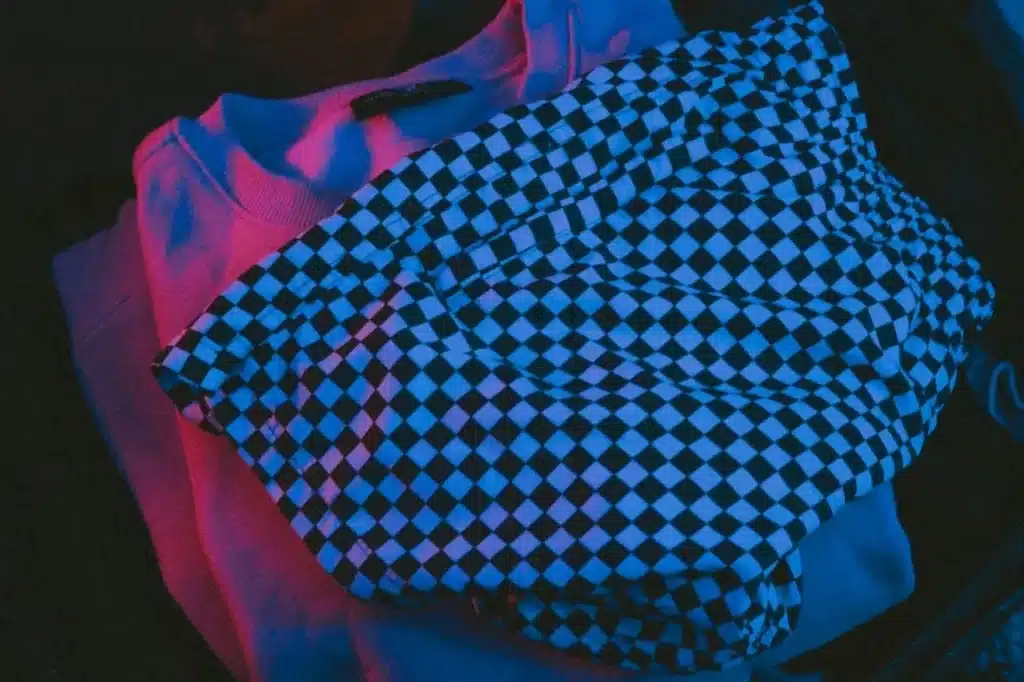
Thanks to its lightweight feel and print-friendly surface, rayon poplin fabric is used across a wide range of applications.
Popular rayon poplin uses include:
Fashion apparel: shirts, blouses, dresses, skirts
Garment linings for jackets and outerwear
Lightweight home textiles, such as curtains and decorative panels
Scarves and accessories that require softness and drape
Designers often choose rayon poplin when they want a fabric that feels comfortable on the skin while still presenting prints clearly and professionally.
Rayon Poplin vs Other Lightweight Fabrics
Understanding how rayon poplin compares to similar fabrics can help you choose the right material for your project.
Rayon Poplin vs Rayon Challis
Rayon poplin has a smoother and tighter weave
Rayon challis is softer but more fluid and less structured
Poplin offers better edge definition for tailored designs
Rayon Poplin vs Cotton Poplin
Rayon poplin is softer and more drapey
Cotton poplin feels crisper but may wrinkle more
Rayon offers stronger color absorption for printing
Rayon Poplin vs Viscose Twill
Twill has a diagonal weave and a heavier weight
Poplin is lighter and more breathable
Poplin is better suited for warm climates and layering
You can explore more fabric options and comparisons in our fabric collection: our fabric.
Care & Maintenance Tips for Rayon Poplin Fabric
Proper care helps maintain the softness and appearance of rayon poplin fabric over time.
Recommended care guidelines:
Wash in cold water using a gentle cycle
Avoid high heat during drying
Iron on low heat while fabric is slightly damp
Store folded or hung to reduce creasing
Rayon fibers can be sensitive to heat and agitation, so gentle handling is key. For a deeper dive into rayon care, this guide from The Spruce is widely referenced:
https://www.thespruce.com/how-to-care-for-rayon-clothing-2145797
Why Choose Rayon Poplin for Custom Printing?
If your project requires a balance of comfort, appearance, and print quality, rayon poplin fabric is a strong choice.
Key advantages:
Lightweight and breathable
Smooth surface for detailed printing
Soft feel suitable for direct skin contact
Ideal for small-batch and custom fabric printing
With its versatility, rayon poplin works well for brands, designers, and businesses looking to create professional-quality printed fabrics without sacrificing comfort.
You can also browse available fabrics or start your own custom print project here:
👉 our-fabric
👉 design-your-fabric
Final Thoughts
Rayon poplin fabric combines the best of lightweight comfort and reliable print performance. Its smooth texture, breathable structure, and versatility make it a preferred option for fashion, accessories, and custom printing applications.
Whether you’re comparing fabrics, testing new designs, or scaling a custom printing project, rayon poplin offers a dependable and visually appealing solution.
📚 Frequently Asked Questions (FAQs)
1: Is rayon poplin fabric lightweight?
Yes. Rayon poplin is considered a lightweight woven fabric, typically ranging between 90 and 130 GSM. It offers a comfortable balance of breathability, softness, and structure, making it suitable for warm-weather garments and layered designs.
2: Is rayon poplin good for digital fabric printing?
Rayon poplin performs very well in digital printing due to its smooth surface and strong dye absorption. Printed designs appear clear and vibrant, especially for detailed patterns, florals, and gradient artwork.
3: What types of products are best made with rayon poplin?
Rayon poplin is commonly used for apparel such as shirts, blouses, dresses, and skirts. It is also suitable for linings, lightweight home textiles, and accessories where softness and drape are important.
4: How does rayon poplin compare to cotton poplin?
Compared to cotton poplin, rayon poplin feels softer and has better drape. Cotton poplin offers more crispness and structure, while rayon poplin is preferred for designs that require fluid movement and enhanced print clarity.
5: How should rayon poplin fabric be cared for?
Rayon poplin should be washed gently in cold water and air-dried or dried on low heat. Avoid high temperatures, as rayon fibers can shrink or lose shape when exposed to excessive heat.