Lycra is one of the most versatile and widely used fabrics in the fashion and sportswear industries. But what is Lycra made of? In this article, we will take a deep dive into the composition of Lycra fabric, compare it to spandex, and explore its various applications. Whether you’re a fashion enthusiast, a sportswear designer, or just curious about the fabric that stretches to fit your body, this post will provide all the essential information you need.
To learn more about the benefits of custom fabric printing, check out our Fabric Printing Prices.
What is Lycra?
Lycra, also known as spandex or elastane, is a synthetic fiber that is known for its exceptional elasticity. It was first developed by chemist Joseph Shivers in 1958 and has since revolutionized the fabric industry. Lycra fabric can stretch up to five times its original length, making it ideal for form-fitting garments like sportswear, swimwear, and activewear.
For those interested in customizing their own fabric designs, take a look at our Design Your Fabric page for more details.
Lycra Fabric Composition

Lycra is primarily made from a polymer called polyurethane, which is what gives it its signature stretch and flexibility. The fibers are created through a complex process of spinning and weaving, which allows them to retain their shape and elasticity even after multiple uses. The composition of Lycra typically includes the following materials:
Polyurethane (Spandex): The core material responsible for Lycra’s stretch.
Polyester or Nylon: These fibers are often blended with Lycra to provide strength, durability, and moisture-wicking properties.
Cotton (in some blends): Some Lycra blends may contain cotton for added comfort and breathability.
Interested in how we use this fabric for custom prints? Visit Our Fabric page to learn more about the types of fabrics we offer.
Lycra vs Spandex: What’s the Difference?
Many people often confuse Lycra with spandex, but are they the same? In reality, Lycra is a brand name for a specific type of spandex (or elastane). While both Lycra and spandex refer to the same type of fabric, the difference lies in the brand and the manufacturing process.
Lycra: A registered trademark of Invista, Lycra is known for its superior quality and high-performance standards.
Spandex: Spandex is the generic term used to describe the material, and other companies may produce it under different names.
The key difference between Lycra and spandex lies in the technology and quality control processes used in their production. Lycra is known for offering the best stretch retention, ensuring that your clothes stay in shape over time.
For a broader overview of Lycra’s applications, visit Fabric.com, a trusted resource for fabric information.
Common Applications of Lycra Fabric
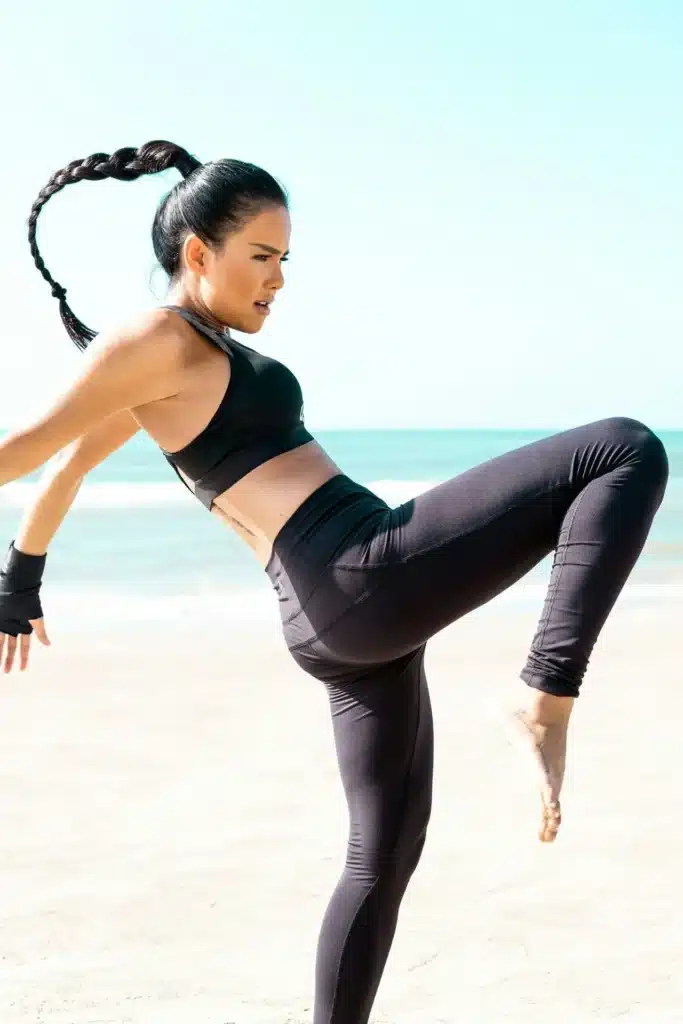
Lycra is incredibly versatile and is used in a wide range of applications. Some of the most common uses of Lycra fabric include:
Sportswear and Activewear: Lycra is a favorite in athletic wear because of its stretch, comfort, and moisture-wicking properties. It allows for maximum mobility, which is essential for athletes.
Swimwear: Lycra’s resistance to chlorine and its ability to maintain shape make it ideal for swimsuits.
Yoga and Dance Apparel: Yoga pants, leotards, and dance tights are often made from Lycra because it allows for unrestricted movement.
Compression Garments: Lycra is also used in medical and athletic compression wear to improve blood circulation and support muscle recovery.
You can find more details about Lycra’s use in swimwear and athletic apparel on TheFabricStore.com.
How to Care for Lycra Fabric
Lycra is a durable fabric, but it requires proper care to maintain its elasticity and appearance. Follow these tips to extend the life of your Lycra garments:
Wash in Cold Water: Always wash Lycra fabric in cold water to prevent it from losing its stretch.
Avoid Fabric Softener: Fabric softeners can break down the elastic fibers in Lycra over time.
Air Dry: It’s best to air dry Lycra garments rather than using a dryer, as excessive heat can damage the fabric.
Store Properly: Avoid storing Lycra in a damp or humid environment to maintain its shape and elasticity.
If you’re looking to create custom Lycra prints, visit our Contact Us page to get started.
Conclusion
Lycra is a remarkable fabric made from a combination of polyurethane and other fibers like polyester or cotton. Its ability to stretch up to five times its original size makes it ideal for garments that require flexibility, such as sportswear, swimwear, and yoga apparel. Understanding the composition of Lycra and the differences between Lycra and spandex can help you make more informed decisions about fabric choices for your projects or wardrobe.
Whether you’re designing custom fabric or purchasing ready-made clothing, Lycra is an excellent choice for its durability, comfort, and stretchability. Make sure to care for your Lycra garments properly to keep them in top condition for years to come.
For the latest updates in textile and fabric innovations, visit Textile World
📚 Frequently Asked Questions (FAQs)
1. What is Lycra made of?
Lycra is primarily made from a synthetic fiber called polyurethane, which is known for its exceptional elasticity. It is often blended with other fibers like polyester, nylon, and sometimes cotton, to enhance its strength, durability, and comfort. The combination of these materials allows Lycra fabric to stretch up to five times its original length, making it perfect for activewear and form-fitting garments.
2. What is the difference between Lycra and Spandex?
Lycra and spandex are often used interchangeably, but the main difference lies in branding. Lycra is a registered trademark of Invista, whereas spandex is the generic name for the material. Both fabrics are made from similar synthetic fibers (polyurethane), but Lycra is known for its superior quality and long-lasting stretch. In essence, all Lycra is spandex, but not all spandex is Lycra.
3. Can Lycra be used for swimwear?
Yes, Lycra is a popular choice for swimwear because of its resistance to chlorine and its ability to maintain its elasticity even after repeated exposure to water. The fabric offers a comfortable and form-fitting fit, making it perfect for swimsuits and other water-based garments.
4. How do I care for Lycra fabric?
To keep your Lycra garments in good condition, it’s essential to:
Wash them in cold water to prevent the fabric from losing its stretch.
Avoid using fabric softeners, as they can break down Lycra’s elasticity over time.
Air dry your Lycra clothes rather than using a dryer to prevent heat damage.
Store them in a dry place, away from excessive humidity, to maintain their shape.
5. What are the common applications of Lycra fabric?
Lycra is widely used in athletic wear, swimwear, yoga pants, leotards, tights, and compression garments. Its incredible stretch and flexibility make it ideal for any application that requires a form-fitting, flexible fabric.